Physical Address
304 North Cardinal St.
Dorchester Center, MA 02124
Physical Address
304 North Cardinal St.
Dorchester Center, MA 02124

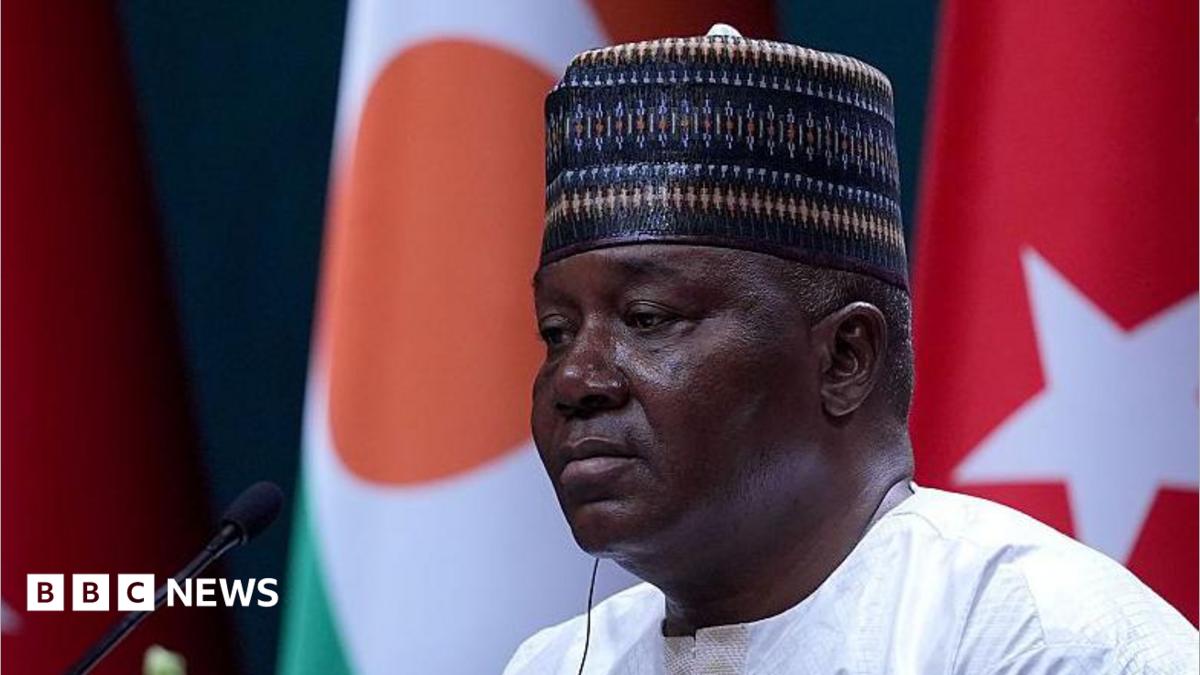
Niger has formally submitted its withdrawal from the International Criminal Court (ICC), the Hague-based tribunal confirmed on Tuesday, June 18 — nine months after the military-led government first announced its intention to leave, denouncing the court as an “instrument of neo-colonialist repression.”
The ICC confirmed it had received Niger’s official “instrument of withdrawal.” Under the court’s rules, the withdrawal takes effect one year after notification, meaning Niger must still honour its obligations to the court until then.
Niger is not acting alone. In September 2025, it joined forces with Mali and Burkina Faso — two neighbouring countries also under military rule — in a joint statement refusing to recognise the ICC’s authority.
The three Sahel nations argued they wanted to build “indigenous mechanisms for the consolidation of peace and justice”, signalling a broader push to break free from Western-led institutions.
Tuesday’s ICC statement, however, made no mention of Mali or Burkina Faso formally submitting their own withdrawal requests.
This is not the first time these three countries have walked away from a major international body together. In 2024, Niger, Mali and Burkina Faso simultaneously withdrew from ECOWAS, the Economic Community of West African States, and launched their own regional bloc — the Confederation of Sahel States.
All three governments came to power through military coups earlier this decade. Their armies have faced accusations of crimes against civilians as violence has intensified in the region, driven by jihadist groups linked to al-Qaeda and the Islamic State.
The three former French colonies have been steadily distancing themselves from Western powers while deepening ties with Russia — a country that is notably not a member of the ICC.
That detail is significant: the ICC has issued an outstanding arrest warrant for Russian President Vladimir Putin over alleged war crimes in Ukraine. Other major non-members include the United States, China, and Israel.
With this move, Niger becomes only the third country ever to leave the ICC, after the Philippines and Burundi — both of which withdrew under governments facing scrutiny over human rights abuses.
The ICC was established in 2002 to prosecute genocide, crimes against humanity, war crimes, and acts of aggression. Its exit from Niger raises serious questions about accountability in a region where civilian populations continue to bear the brunt of escalating violence.
For young Africans watching these developments, the stakes are clear: as military governments reshape regional alliances and reject international oversight, the future of justice mechanisms on the continent hangs in the balance.



