Physical Address
304 North Cardinal St.
Dorchester Center, MA 02124
Physical Address
304 North Cardinal St.
Dorchester Center, MA 02124

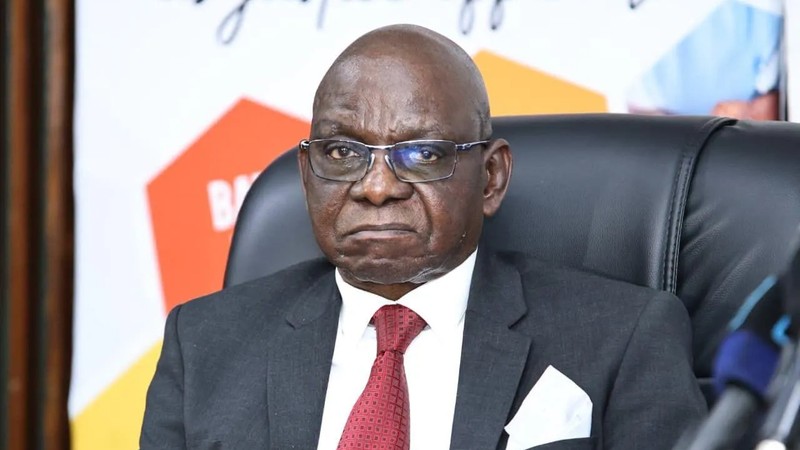
South Africa’s newly appointed Independent Directorate Against Corruption (IDAC) Ombudsman, Retired Judge Takalani Raulinga, is set to address the media in Pretoria at 12:30 pm on Sunday — and all eyes are on him. The briefing comes as IDAC, the anti-corruption body operating under the National Prosecuting Authority (NPA), faces a mounting pile of controversies that have shaken public confidence in one of the country’s key accountability institutions.
This will be Raulinga’s first public platform since taking up his role. The stakes could not be higher.
The latest scandal broke this week at the Madlanga Commission, where testimony revealed that IDAC had overstepped its mandate by laying criminal charges against senior Crime Intelligence (CI) officials — charges that, according to the commission, should have been handled through the police’s internal human resources processes, not through criminal prosecution.
At the centre of the storm are CI head General Dumisani Khumalo and Major-General Nosipho Madondo, head of Intelligence Analysis and Coordination. Both submitted themselves at the Brooklyn police station in Pretoria on June 27, only for IDAC to abandon the charges altogether. The Pretoria Magistrate’s Court had already released them on bail that same day, after concluding that the NPA had no convincing case against them.
The charges stemmed from the employment of Brigadier Dineo Mokwele as CI’s technical support services head. IDAC alleged she lacked the required police experience for the role — and charged Khumalo, Madondo, and other senior officers alongside her. Critics are now asking whether state resources were weaponised to settle internal scores within Crime Intelligence.
IDAC’s own senior investigator, Brian Padayachee, testified at the Madlanga Commission this week. His testimony helped expose the alleged misconduct. IDAC head Advocate Andrea Johnson was also due to appear but her testimony was delayed following her hospitalisation. She is yet to take the stand.
Raulinga’s spokesperson, Max Mpuzana, declined to preview the Ombudsman’s position ahead of Sunday’s briefing. “We don’t want to pre-empt ourselves, as it would not be prudent for him to speak even before that briefing,” Mpuzana said. The message: wait for Sunday.
Minister Mmamoloko Kubayi of the Department of Justice and Constitutional Development announced that the Ombudsman will formally investigate allegations of abuse of power, improper conduct, and maladministration against IDAC. The minister, alongside Mothibi, met with Johnson on Friday afternoon over the Madlanga issue. In a joint statement released the same day, both officials urged the public to continue supporting IDAC, warning that “no one is bigger than the organisation they serve.”
“This has raised serious credibility concerns and has visibly impacted public trust in the IDAC operations,” the statement read.
One voice urged restraint. Cameron cautioned against rushing to label IDAC’s conduct as rogue, noting that “these would be serious characterisations that need verified evidence, and tested through the appropriate legal and institutional processes.” Any concerns, Cameron added, should be formally documented and placed before the relevant oversight or judicial bodies.
IDAC was set up to be a watchdog — an institution young South Africans could point to as proof that accountability is real. When that watchdog itself faces allegations of misconduct and political manipulation, it chips away at the very foundations of institutional trust. Sunday’s briefing will not fix everything. But it will tell us whether those in charge are willing to be honest about what went wrong.



