Physical Address
304 North Cardinal St.
Dorchester Center, MA 02124
Physical Address
304 North Cardinal St.
Dorchester Center, MA 02124

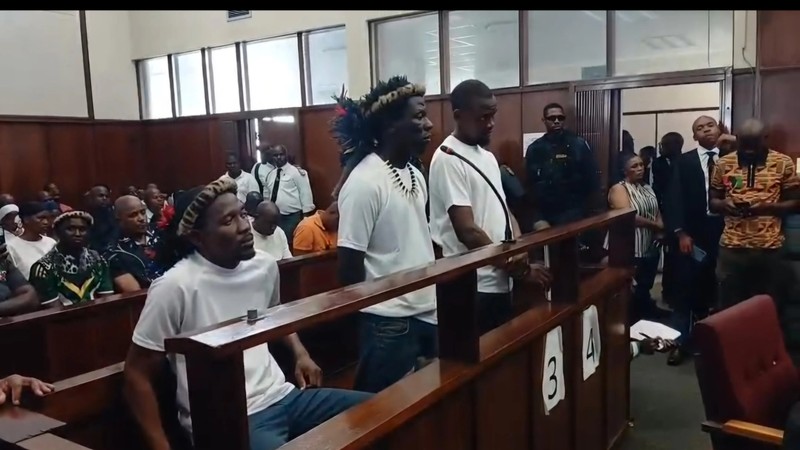
Three men linked to the March and March Movement stood before the Durban Magistrates Court on Monday, facing serious charges after a week of turbulent anti-immigration protests outside the Home Affairs Durban Refugee Reception Centre. Their appearance pulls back the curtain on a protest movement that has drawn sharp attention for its tactics, its targets, and the backgrounds of those leading it.
Sphelele Magolide Shinga, Wandile Nsimande and Malizo Dzanibe were arrested on Saturday outside the refugee reception centre on Moore Road in Durban, following demonstrations that blocked foreign nationals from neighbouring African countries from accessing the facility. The protests were directly triggered by a recent Constitutional Court ruling on asylum seekers’ applications, a decision that has inflamed nativist sentiment in parts of KwaZulu-Natal.
The most striking detail to emerge in court came from Senior Prosecutor Roshiela Benimadho, who revealed that Nsimande is currently out on parole — having previously been sentenced to 25 years imprisonment for robbery, kidnapping and attempted murder. That revelation reframes the public image of the movement’s visible figures.
The charges are substantial. Shinga faces incitement of public violence. Nsimande and Dzanibe face public violence, contravention of the Road Traffic Act, carrying a dangerous weapon and failure to comply with police instructions. Nsimande also carries a pending assault case in Eshowe.
Police spokesperson Colonel Robert Netshiunda confirmed that one of the accused had allegedly threatened to shut down Moses Mabhida Stadium to disrupt the MTN8 Cup Final between Orlando Pirates FC and Mamelodi Sundowns on Saturday, October 10. Police alleged the suspect had gathered a crowd at King Dinizulu Park in Durban with that intent. The match went ahead without incident.
State prosecutor Benimadho opposed bail across the board, arguing the accused were actively influencing other protesters. Video evidence, she said, showed them forcibly shutting down businesses owned by foreign nationals, blocking public roads and brandishing dangerous weapons. Defence lawyers pushed back, insisting no damage had been proven and the allegations were unsubstantiated.
Here are the key takeaways from Monday’s proceedings.
The Durban case is a live signal of how anti-immigration sentiment is being mobilised on the ground in South Africa — and how the law is beginning to respond. For young Africans watching this unfold, the story raises urgent questions about who leads these movements, what methods they use, and what the consequences are for the region’s most vulnerable people caught in the middle.