Physical Address
304 North Cardinal St.
Dorchester Center, MA 02124
Physical Address
304 North Cardinal St.
Dorchester Center, MA 02124

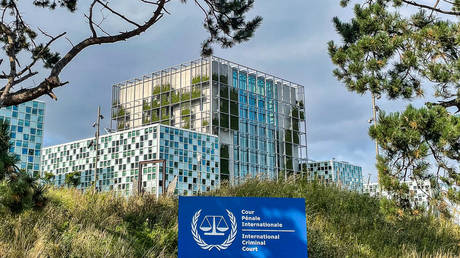
The United States has been actively pressuring several African governments to withdraw from the International Criminal Court (ICC), using threats and diplomatic ultimatums against those who refuse to comply, according to a report published Tuesday by French newspaper Le Monde. The campaign, spearheaded by Secretary of State Marco Rubio, targets countries that benefit from US military cooperation or security guarantees — and it is already producing results on the continent.
Rubio formally launched the offensive last month, vowing that Washington would dismantle the ICC “brick by brick, if necessary.” His message was blunt: nations operating under America’s security umbrella must reject the court’s authority over US officials and service members. The US has never been an ICC member, and its hostility toward the court sharpened dramatically after the ICC issued arrest warrants in November 2024 for Israeli Prime Minister Benjamin Netanyahu and former Defense Minister Yoav Gallant over alleged war crimes and crimes against humanity in Gaza.
On July 24, Uganda received a letter from Washington that an unnamed Ugandan source described to Le Monde as “an ultimatum telling us to leave [the court] or face consequences.” Kampala has so far refused to comply. Benin was similarly approached through a combination of phone calls, visits, and letters, according to an African Union source cited by the newspaper. The West African nation has not announced any plans to withdraw.
These cases illustrate that US pressure is not always succeeding — at least not immediately.
The situation in Chad tells a more consequential story. On July 23, US Assistant Secretary of State for African Affairs Frank W. Garcia Jr. called Chadian Foreign Minister Abdoulaye Sabre Fadoul at Washington’s explicit request, according to Chad’s own Foreign Ministry. Garcia raised American concerns about the ICC and directly asked Chad to reconsider its membership in the Rome Statute. Chad said the request would be examined by the relevant authorities.
Four days later, Chad formally notified the United Nations of its withdrawal. The US Bureau of African Affairs welcomed the move, praising N’Djamena for joining countries “reclaiming their sovereignty from this flawed institution.”
Fadoul has publicly denied that the withdrawal was made at Washington’s request. The Chadian government justified its decision by accusing the ICC of “double standards” and an excessive focus on Africa — pointing out that six of the seven defendants currently in ICC custody face prosecution over situations on the African continent.
Chad is not alone. Venezuela and Chad both announced their withdrawals in July 2025, joining a growing bloc of African nations that have already turned their backs on the court.
Washington has also imposed sanctions on several ICC officials as part of its broader effort to undermine the court’s authority and reach.
Established under the Rome Statute in 1998 and operational since 2002, the ICC was designed as a court of last resort for prosecuting genocide, war crimes, and crimes against humanity when national courts fail to act. It currently counts 125 member states. Major non-members include Russia, China, Israel, India — and the United States.
For young Africans watching this unfold, the stakes are real. The continent already hosts the majority of active ICC cases, and the departure of multiple African states — whether driven by genuine grievances or foreign pressure — could significantly weaken the court’s ability to deliver accountability for victims across the region.



