Physical Address
304 North Cardinal St.
Dorchester Center, MA 02124
Physical Address
304 North Cardinal St.
Dorchester Center, MA 02124

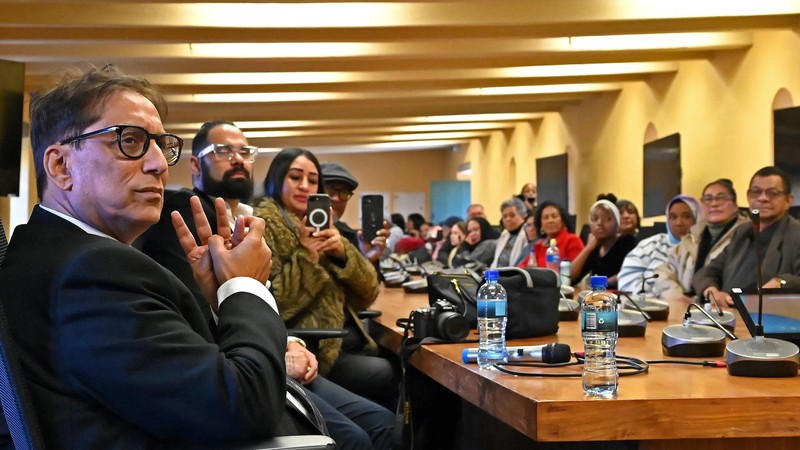
Cape Town, June 2026 — Half a century after students took to the streets of Soweto on June 16, 1976, South Africa marked the Golden Jubilee of the Soweto Uprising with commemorations across the country, reminding a new generation why young people’s courage changed the course of history.
The Soweto Uprising was triggered by the apartheid government’s decision to impose Afrikaans as the compulsory language of instruction in Black schools. What followed became one of the most defining moments of resistance against apartheid rule.
Every year, June 16 is commemorated as National Youth Day in South Africa, with the entire month of June observed as Youth Month — a tribute to the young people who risked, and lost, their lives in the liberation struggle.
This year’s celebrations carried the theme “Reset@50 – The Future Calls”, reflecting both a look back and a push forward. The Castle of Good Hope in Cape Town served as a central hub, drawing crowds of young and old for a series of commemorative events.
Among the speakers was Dr Iqbal Survé, who delivered a keynote address to the gathered audience, drawing a direct line between the struggles of the past and the responsibilities of today’s youth.
“1976 did not come out of nowhere,” Survé told the crowd. “It came out of a proud and noble tradition of struggle for freedom. It’s in our blood. We’re a people that can struggle for freedom. We’ve struggled for hundreds of years.”
Survé traced that tradition through centuries of resistance, citing the KhoiSan’s confrontation with Dutch settlers, the Anglo-Zulu War, the Anglo-Boer Wars, and ultimately apartheid itself as chapters in a long and unbroken fight for dignity and self-determination.
He called on young people to carry that same courage — not just in the streets, but in the classroom and the world of ideas. “It’s the courage to be intellectual,” he said, urging the audience to think critically and act boldly.
Survé also used the occasion to honour the late Abdullah Ibrahim, the iconic South African jazz musician and composer who died earlier this year. He recalled how Nelson Mandela held Ibrahim in the highest regard.
“Madiba always referred to Abdullah as our Mozart. He was our Mozart,” Survé said, linking the musician’s legacy to the same spirit of resistance and cultural pride that defined 1976.
The Soweto Uprising is not just South African history — it is a pan-African milestone. The courage of those students in 1976 helped accelerate the fall of one of the world’s most brutal systems of racial oppression.
Fifty years on, as African youth face new battles — from unemployment and inequality to climate change and political exclusion — the message from Cape Town is clear: the struggle for freedom takes many forms, but it never truly ends.



