Physical Address
304 North Cardinal St.
Dorchester Center, MA 02124
Physical Address
304 North Cardinal St.
Dorchester Center, MA 02124

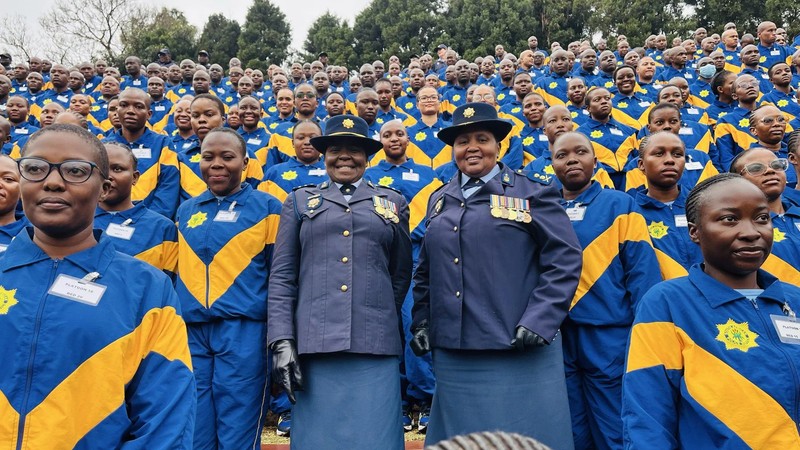
A single Facebook post from Patriotic Alliance leader Gayton McKenzie set off a heated debate about race, representation and fairness inside South Africa’s public institutions. “Where are the Coloureds, Indians and Whites?” he wrote, questioning the racial makeup of the latest batch of new police recruits. The South African Police Service responded — and the answer is more layered than a quick scroll through social media would suggest.
To understand what actually happened, you need to start with the sheer scale of this recruitment drive. SAPS received just under 1.05 million applications during the current process. Of those, only 1,079 came from White applicants, 3,047 from Indian applicants, and 53,797 from Coloured applicants. The overwhelming majority came from African applicants. That gap in application numbers is the first and most important piece of the puzzle.
From there, SAPS applied a practical filter: priority was given to applicants who held a valid driver’s licence, a requirement tied directly to the operational demands of frontline policing. Among those prioritised candidates, 556 were White, 1,722 were Indian, 11,743 were Coloured, and 291,591 were African. The disparity did not begin at selection — it began at the starting line.
After the licence filter, every shortlisted candidate still had to clear a demanding series of assessments. These included psychometric testing, physical fitness evaluations, medical checks, drug screening, fingerprint verification, criminal record checks, and reference checks. Nothing about that process was tailored to favour or exclude any racial group.
The final recruitment lists were then reviewed and recommended by Provincial Recruitment Boards — bodies that include community representatives such as members of Community Policing Forums, and are chaired by Provincial Commissioners or their designated representatives. The structure is designed to bring local accountability into the process.
SAPS was direct in its explanation: the racial distribution of the final intake reflects the demographics of the applicant pool, not a deliberate exclusion policy. In plain terms, if fewer people from a community apply, fewer people from that community get selected. That is not a defence of the status quo — it is a description of how the numbers work.
McKenzie’s broader argument, however, raises a legitimate question that goes beyond this single recruitment cycle. He argued that South Africa’s public institutions should reflect the full diversity of its population — across all racial groups, including young Coloured, Indian and White South Africans. That concern is worth taking seriously, especially for a generation that has grown up being told that transformation and inclusion go hand in hand.
SAPS acknowledged the gap. The police service confirmed it has previously run targeted outreach campaigns aimed at underrepresented communities and committed to expanding those efforts. Planned initiatives include recruitment roadshows and community-based engagement sessions designed to bring information about the process directly to communities that are currently not applying in large numbers.
The recruitment drive also carries a dual purpose beyond diversity: it is explicitly intended to address youth unemployment while building SAPS’s operational capacity. For young South Africans between 15 and 25, that framing matters — joining the police service is positioned not just as a civic duty, but as a real economic opportunity.
SAPS put it plainly: “The objective is not simply to recruit more people, but to attract suitable, competent and diverse candidates from across South Africa who are willing to serve and protect their communities.” The service is encouraging young people from all racial groups to watch for future recruitment advertisements and to engage with the process early.
The row over these numbers points to a deeper tension in South Africa’s ongoing conversation about equity and inclusion — one that will not be resolved by a single recruitment cycle, but that demands consistent, transparent effort from institutions like SAPS to close the gap between aspiration and reality.



