Physical Address
304 North Cardinal St.
Dorchester Center, MA 02124
Physical Address
304 North Cardinal St.
Dorchester Center, MA 02124

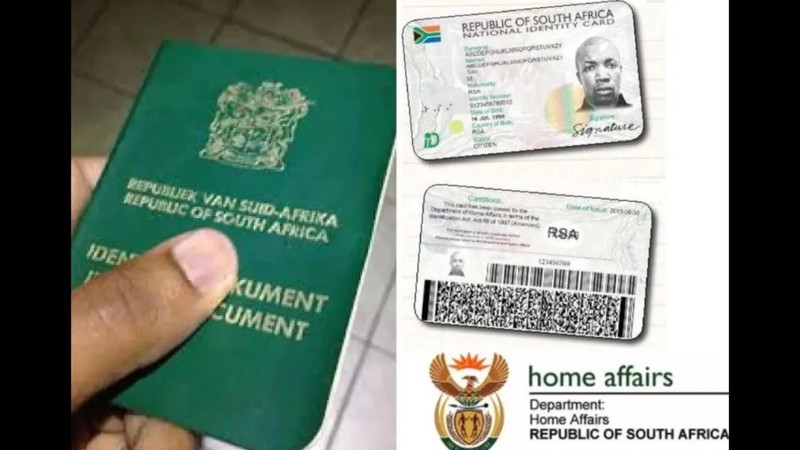
Your identity card is more than just a piece of plastic — it is your gateway to voting, banking, employment, and every formal system that shapes your future. For millions of young South Africans still carrying the old green barcoded ID book, that gateway has long been riddled with security flaws, long queues, and outdated bureaucracy. That is starting to change, and faster than many expected.
Home Affairs Minister Dr Leon Schreiber launched a new online tool this week that lets South Africans instantly locate the nearest bank branch where they can apply for a Smart ID Card — no phone calls, no guesswork, no wasted trips. The service lives on the Department of Home Affairs’ digital platform at myhomeaffairsonline.dha.gov.za, and it went public during a Digital Partnership media event with FNB at Canal Walk in Cape Town on Monday.
The timing matters. Since the Digital Partnership between Home Affairs and the banking sector launched on 9 March 2026, more than 500,000 South Africans have already applied for Smart ID Cards through participating bank branches — a number that signals real appetite for a smoother, more accessible system. The network now spans 372 bank branches across the country, with Capitec, Absa, FNB, and Standard Bank all part of the programme.
What the new tool actually does is elegantly simple. Rather than trawling through individual bank websites or calling around to find out which branch handles Smart ID applications, citizens can visit the My Home Affairs Online platform, click on Locate a Partner Branch, select their bank, and pull up their nearest participating location in seconds. As new branches join the programme, they appear on the platform automatically, keeping the information live and reliable.
Schreiber framed the launch in direct terms: “This new online service makes it easier than ever for South Africans to find their nearest participating bank branch and switch to the secure Smart ID Card. Every reform we implement should make our services easier to access, and this is another practical step towards achieving that goal.”
That language — practical, accessible, reform-driven — speaks directly to what young people across the continent have been demanding from their governments for years. Not grand promises, but working systems. Not announcements, but tools that actually function on a Monday morning when you need them.
The urgency behind this push is real. The green barcoded ID book has been flagged repeatedly for its vulnerability to fraud and forgery, making it a liability in a world where identity verification underpins everything from SIM card registration to opening a bank account. The Smart ID Card carries embedded security features that the old book simply cannot match, and the government is leaning hard into the transition.
For South Africa’s youth — a generation that grew up with smartphones and expects digital-first services — this kind of infrastructure upgrade is not a luxury. It is the baseline. The ability to sort out your identity documents online, through a bank branch you already visit, without taking a full day off work or school, is exactly the kind of frictionless governance that builds trust between young citizens and the state.
The expansion of the Digital Partnership is set to continue, with more banking partners expected to join the programme and more branches rolling out Smart ID services over the coming months. Each addition will update automatically on the platform, meaning the tool grows more useful over time without requiring citizens to stay on top of every announcement.
South Africa’s demographic reality — where young people make up a disproportionately large share of the population — means that getting identity infrastructure right is not a bureaucratic side issue. It is a foundational political and economic stake. A generation locked out of secure, verifiable identity is a generation locked out of formal opportunity. The Smart ID rollout, imperfect and still incomplete as it is, represents a meaningful step toward closing that gap — and the new online locator tool is the kind of quiet, practical progress that actually moves the needle.



