Physical Address
304 North Cardinal St.
Dorchester Center, MA 02124
Physical Address
304 North Cardinal St.
Dorchester Center, MA 02124

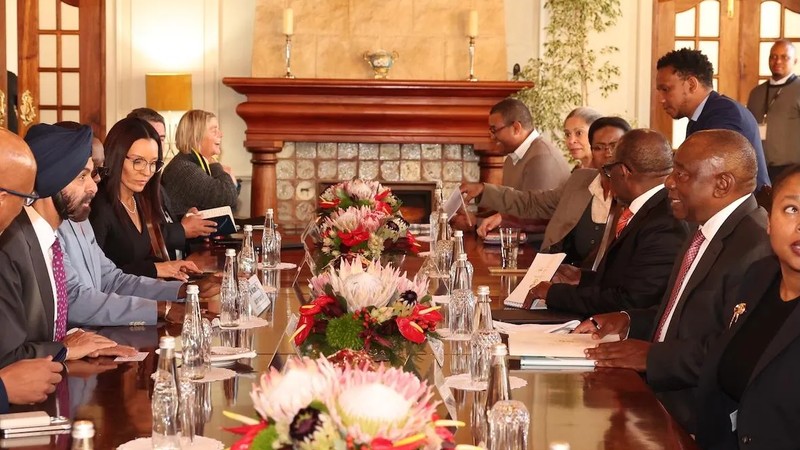
South Africa recently accepted a R25 billion loan from the World Bank, and not everyone is celebrating. The uMkhonto we Sizwe (MK) Party has come out firmly against the deal, arguing that it threatens the country’s democratic foundations and its ability to control its own economic future. But what exactly is at stake here, and why should young South Africans care?
At its core, the controversy is about loan conditionalities — the policy strings that international lenders attach to their money. The World Bank and the IMF have a long history of requiring borrowing governments to commit to specific economic reforms before funds are released. These reforms often include austerity measures, privatisation of public services, or broader structural adjustments to the economy.
When a government agrees to reshape its economic policies as a condition for receiving foreign funds, it effectively bypasses the democratic process. Parliament does not vote on these conditions. Citizens do not debate them. The decisions get made in closed-door negotiations between finance ministers and international institutions, locking future governments — and future generations — into policies they never chose.
The MK Party’s central argument is that the R25 billion deal was signed without adequate parliamentary scrutiny or public debate, which they say violates South Africa’s constitutional democratic order. It is a pointed challenge to how the government handles financial agreements with powerful global institutions.
This pattern is far from unique to South Africa. Across the Global South, critics have long argued that conditional loans from bodies like the World Bank quietly erode national sovereignty. Countries accept the money out of economic necessity, but the attached conditions effectively transfer decision-making power away from elected representatives and toward unelected international technocrats.
The consequences can be deeply felt by ordinary people. Austerity conditions, for example, often translate into cuts to public services, healthcare, and education — the very systems that young Africans depend on most. Privatisation requirements can hand control of essential infrastructure to private corporations, raising costs and reducing access for lower-income communities.
The MK Party is calling for South Africa’s Parliament to take a far more active role in reviewing and approving international financial agreements before they are signed. The demand is straightforward: no deal should bind the country to economic conditions without a transparent legislative process.
The broader question this debate forces onto the table is one of fiscal sovereignty — the right of a nation to make its own economic decisions free from external pressure. For a country like South Africa, which fought hard for political self-determination, surrendering economic self-determination through the back door of loan conditionalities is a contradiction that many find difficult to accept.
Whether or not you agree with the MK Party’s politics, the structural concern they are raising is legitimate and urgent. Young Africans who will inherit the consequences of today’s financial agreements have every reason to demand that those agreements be made openly, accountably, and with genuine democratic participation.



