Physical Address
304 North Cardinal St.
Dorchester Center, MA 02124
Physical Address
304 North Cardinal St.
Dorchester Center, MA 02124

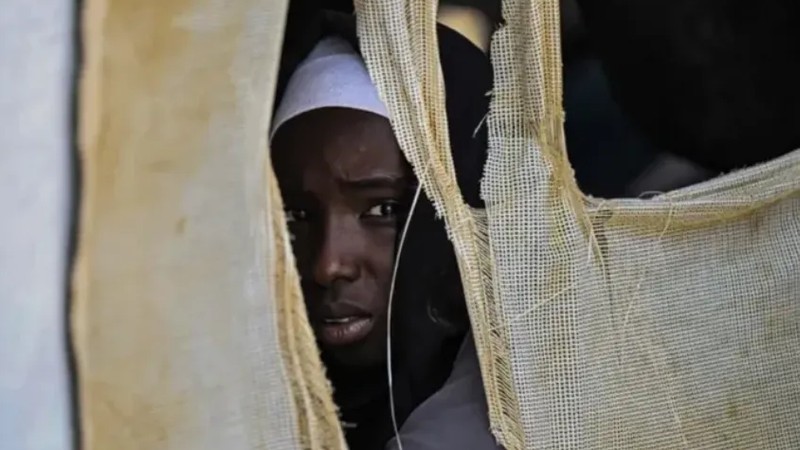
Sudan’s civil war has found a way to feed itself — and the world is only just beginning to notice.
While headlines fixate on the battlefield clashes between the Sudanese Armed Forces (SAF) and the Rapid Support Forces (RSF), a quieter and equally devastating war is being fought through trade routes, warehouses and commodity markets. According to a new report from the UN Human Rights Office (OHCHR), armed groups on both sides are financing their military operations through the systematic looting and exploitation of two of Sudan’s most valuable exports: gold and gum arabic. The result is a conflict that has already displaced millions and manufactured one of the worst humanitarian disasters on the planet — one that now has the economic engine to keep going indefinitely.
This is the uncomfortable truth about modern wars that too few people are taught to see. Conflicts in the 21st century are rarely sustained by state budgets alone. They survive because they generate their own revenue, feeding off the natural wealth buried beneath or harvested above the very land their fighters are destroying. Sudan is a textbook — and tragic — example of exactly that dynamic.
The OHCHR report lays out in stark detail how warring parties have seized control of gum arabic stocks, redrawn trading routes to serve their financial interests, and effectively turned a globally traded commodity into a war chest. Gum arabic — that sticky, natural substance most people have unknowingly consumed in their fizzy drinks, sweets, cosmetics and medicines — comes overwhelmingly from Sudan. Around five million Sudanese people depend on it for their livelihoods, harvesting it from acacia trees in regions now engulfed by conflict. For those communities, the war has not just brought violence; it has systematically dismantled the economic foundations of their daily lives.
The abuses documented are not incidental. Traders have faced arbitrary detention, looting and extortion at the hands of armed groups determined to control the gum arabic value chain. In May 2025, the Gum Arabic Exchange and its warehouses in El-Nuhud, West Kordofan, were reportedly ransacked by RSF forces at the precise moment stocks were full and ready for export — a calculated strike designed to maximise financial gain while crippling the local economy. Merchants navigating RSF-controlled corridors through Darfur and Kordofan face confiscation and informal taxation at every turn. Those taking the longer, ostensibly safer routes toward Port Sudan encounter a different but equally suffocating web of checkpoints, fees and smuggling networks.
Then there is gold. Sudan sits atop enormous mineral wealth, and that wealth has become one of the primary currencies of this war. Gold, like gum arabic, has been seized, smuggled and converted into the funds that buy weapons, pay fighters and sustain patronage networks that make peace structurally inconvenient for those profiting from the chaos. UN High Commissioner for Human Rights Volker Türk put it plainly: “Sudan’s vast wealth of natural resources should benefit its people. Distressingly, what we are seeing today is anything but that. In fact, this wealth is only serving to undermine human rights and drive conflict, bringing pain and suffering on an enormous scale.”
What makes this particularly urgent for young Africans to understand is the regional dimension. Sudan does not suffer alone. The fragmentation of trade routes, the smuggling of commodities through neighbouring countries, and the destabilisation of border economies create ripple effects that spread instability far beyond Khartoum or Darfur. When a war economy embeds itself this deeply into regional supply chains, the consequences become everyone’s problem — whether you live in Chad, Egypt, South Sudan or further afield.
The OHCHR is calling on all parties to the conflict, as well as the states and corporations embedded in Sudan’s gum arabic supply chain, to ensure compliance with international law. OHCHR spokesperson Ravina Shamdasani was direct: “This war economy must be disrupted, and the international community must pay much closer attention to the commodities and trade routes that help keep it alive.” That disruption, the report makes clear, will not come from military pressure alone. It demands targeted sanctions, rigorous market regulation, meaningful regional cooperation and development strategies that can replace the brutal economic logic currently keeping the guns firing.
The lesson here cuts deep. When natural resources become instruments of war rather than engines of development, the people who should benefit most — ordinary citizens, farmers, traders, young people building futures — are the ones who pay the heaviest price. Sudan’s crisis is a mirror held up to a wider pattern across the African continent, where resource wealth too often flows toward violence rather than progress. Recognising that pattern, naming it clearly, and demanding better from both African governments and the global institutions that regulate these supply chains is not just an act of solidarity. It is a political necessity.



