Physical Address
304 North Cardinal St.
Dorchester Center, MA 02124
Physical Address
304 North Cardinal St.
Dorchester Center, MA 02124

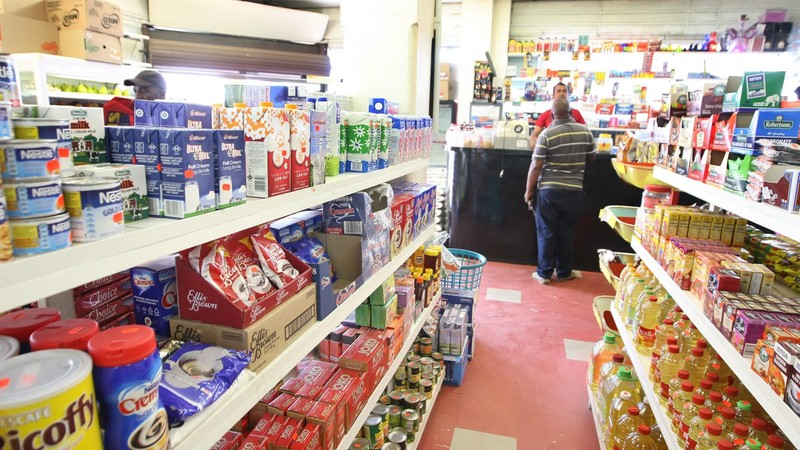
Picture this: you wake up hungry, reach for your jacket, and walk to the corner shop — only to find the shutters down, a padlock on the door, and a neighbourhood holding its breath. This is the daily reality for thousands of people living in Crossroads, a township on the edge of Cape Town, where armed gangs have launched a systematic campaign to shut down spaza shops and terrorise the communities that depend on them.
Spaza shops are the heartbeat of South Africa’s informal settlements. These small, often family-run convenience stores stock the basics — bread, cooking oil, airtime, cold drinks — at prices that supermarket chains in wealthier suburbs never have to compete with. For low-income families in Crossroads, they are not a luxury; they are a lifeline. When those shops close, it is not an inconvenience. It is a crisis.
Armed gangs operating across Cape Town’s townships, including Crossroads, Khayelitsha, Philippi, and Bonteheuwel, have turned extortion into an organised industry. The mechanics are brutally simple: gang members approach shop owners and demand regular “protection fees.” Those who refuse — or cannot pay — face shootings, arson, and death threats. Many shop owners, a significant number of them Somali nationals who built their businesses from nothing, have been left with no choice but to close their doors entirely.
The human cost of this extortion economy is staggering. Families that rely on spaza shops for daily essentials are suddenly cut off from affordable food. Children go to school without breakfast. Parents stretch already-thin budgets to travel further for groceries. The violence does not only wound the shop owners — it wounds the entire social fabric of the neighbourhood.
Community leaders and spaza shop associations have raised the alarm loudly, warning that extortion syndicates are operating with near-total impunity. Police have acknowledged the severity of the threat and deployed additional forces in affected areas, but residents and shop owners describe a situation that remains dangerously unresolved. Acknowledgement, without decisive action, offers little comfort to a family standing in front of a shuttered store.
What makes this crisis particularly urgent is the way it exposes deeper structural failures. Crossroads and townships like it already sit at the sharp end of South Africa’s inequality gap — places where the state’s reach is thin, formal employment is scarce, and informal economies carry enormous social weight. When gangs weaponise that vulnerability, they are not just extorting individuals; they are exploiting entire communities that have historically been underserved and overlooked.
For young people growing up in Crossroads, the message sent by unchecked gang violence is a corrosive one: that power belongs to those willing to use force, and that the institutions meant to protect ordinary people will arrive late, if at all. That is a lesson no generation should have to learn from their own neighbourhood. The spaza shop crisis is not just a crime story — it is a political one, and it demands a political response equal to its scale.



