Physical Address
304 North Cardinal St.
Dorchester Center, MA 02124
Physical Address
304 North Cardinal St.
Dorchester Center, MA 02124

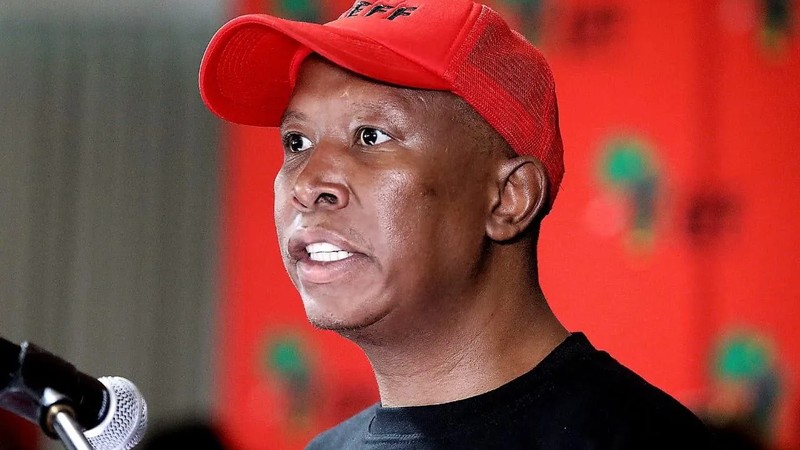
When the South African National Treasury decided to withhold billions of rands in equitable share transfers from dozens of municipalities in July 2026, it framed the move as a firm but necessary stand against chronic financial mismanagement. EFF leader Julius Malema saw it very differently — and he did not hold back.
Malema accused Treasury of turning ordinary, already-struggling residents into collateral damage in a standoff that had nothing to do with them. The corrupt councillors and incompetent managers who drove these municipalities into the ground? They kept their salaries. The communities who depend on those municipalities for water, electricity, and basic services? They paid the price.
To understand why this controversy matters — and why it cuts so deep — you need to understand what the equitable share actually is. Every year, the national government distributes a portion of tax revenue directly to municipalities, particularly to help fund services in areas where residents are too poor to cover costs through rates and tariffs alone. It is, in practice, a lifeline. Withholding it is not a slap on the wrist. It is a tourniquet applied to the wrong limb.
Treasury withheld funds from municipalities across all nine provinces. The scale was striking. Johannesburg alone had R3.6 billion frozen. Major metros including Buffalo City, Nelson Mandela Bay, and Mangaung were caught in the net. In the Northern Cape, eleven municipalities — among them Kamiesberg, Khâi-Ma, Ubuntu, Umsobomvu, and Emthanjeni — did not receive their July transfers at all. The justification Treasury gave was consistent across the board: persistent audit failures, repeated non-compliance with the Municipal Finance Management Act (MFMA), and financial mismanagement that had gone unaddressed for years despite warnings.
The consequences landed almost immediately.
Municipal workers at several Northern Cape municipalities did not receive their salaries. Families could not buy groceries. Bond and rental payments went missed. Parents scrambled to figure out how to get their children to school. The South African Municipal Workers’ Union (Samwu) called the decision reckless and ill-conceived, warning that third-party deductions would go unhonoured and public services would buckle. These were not abstract concerns — they were happening in real time, to real people.
Treasury officials pushed back against the criticism. They insisted the withholding was not punitive but a last-resort compliance measure under section 216(2) of the Constitution, and that affected municipalities had received prior notice and a chance to explain themselves before any funds were frozen. In their framing, years of inaction had left Treasury with no other tool. The argument has a certain logic — but it collides hard with the reality of who absorbs the shock when that tool is deployed.
Under mounting pressure, Finance Minister Enoch Godongwana and Cogta Minister Velenkosi Hlabisa announced the release of the withheld funds. Godongwana was careful to clarify that the decision was not a signal of compliance from the municipalities — it was a recognition that continuing the freeze risked serious, lasting damage to the delivery of basic services. In other words, the government blinked, not because the municipalities had fixed anything, but because the human cost was becoming impossible to defend.
Samwu was not impressed. The union’s general secretary, Dumisane Magagula, made clear that releasing the funds did not undo the harm already caused. Workers who missed mortgage payments, families who went without food — that damage does not reverse itself because a ministerial statement gets issued. The union refused to applaud a resolution to a crisis it argued Treasury had manufactured.
What this episode really exposes is a structural trap at the heart of South African local governance. The municipalities most likely to mismanage funds are also the ones serving the poorest communities — communities with the least capacity to absorb a service disruption or a missed salary cycle. Accountability mechanisms designed to discipline failing administrations end up, in practice, disciplining the residents those administrations were supposed to serve. The corrupt officials face no personal financial consequences. The workers and residents face all of them.
The debate this crisis has reignited is urgent and unresolved: how do you enforce real financial accountability in local government without making the most vulnerable people pay for failures they had no hand in creating? That question does not have an easy answer — but the events of July 2026 make clear that the current approach is not working for the people who need it to work most.



