Physical Address
304 North Cardinal St.
Dorchester Center, MA 02124
Physical Address
304 North Cardinal St.
Dorchester Center, MA 02124

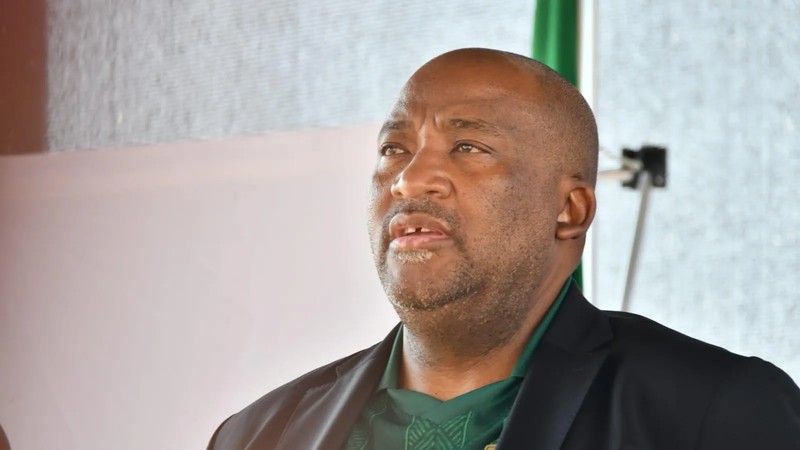
South Africa’s Sport, Arts and Culture Ministry is under serious fire — and this time, it’s gone beyond parliament.
The tension between the Democratic Alliance and Minister Gayton McKenzie did not erupt overnight. For months, DA lawmakers had been pushing McKenzie hard inside parliamentary committees, demanding clearer answers on how his department was spending public money. The minister, who leads the Patriotic Alliance, repeatedly deflected their questions. By early 2025, the DA had seen enough and decided to escalate the fight to a different arena entirely.
On Thursday, DA spokesperson for Sport, Arts and Culture Leah Potgieter and her deputy Joe McGluwa formally lodged a complaint with the Public Protector in Pretoria. The submission accused McKenzie of breaching the Executive Ethics Code, abusing his ministerial powers, and using public funds to benefit members of his own political party. It was a direct and deliberate move — one that signals the DA believes the normal oversight mechanisms inside parliament have failed to produce accountability.
At the heart of the complaint sits the Mzansi Golden Economy (MGE) programme, a government initiative designed to grow South Africa’s creative economy and open doors for artists. The DA alleges that McKenzie personally determined the criteria for selecting a panel tasked with allocating nearly R110 million in public grants through this programme — and that he stacked that panel with people who had no business being there. According to the party, half of the panel members were active members of the Patriotic Alliance, with no conflict-of-interest vetting conducted at any stage of the process. Potgieter put it plainly: “The MGE was established to create opportunities for artists and grow the creative economy. It was not established to create opportunities for the Patriotic Alliance.”
Beyond the MGE grants, the DA also pointed to appointments at major public entities, including the Robben Island Museum council, as further evidence of what it described as a broader pattern of politically connected placements across McKenzie’s department. Each appointment, the DA argued, followed the same logic — reward the loyal, regardless of merit or legal obligation.
Weeks after those concerns were first raised in committee hearings, a second major controversy came into focus. The department had spent almost R31 million on a FIFA World Cup programme involving trips to Mexico and the United States. Parliament, the DA noted, had still not received complete records showing who travelled, how procurement was handled, or exactly how every rand of that public money was used. That lack of transparency, the party argued, made the FIFA spending a matter for the Public Protector as well — and so it was folded into the same complaint.
McKenzie pushed back without hesitation. He defended the FIFA programme as a strategic investment in football development, arguing it would create opportunities for South African players and administrators while strengthening the country’s international sporting partnerships. On the question of cost, he was blunt — R31 million, he said, is not much for government. He also stood firm on the board appointments, insisting that no law bars Patriotic Alliance members from serving on entities within his ministry.
Now the matter rests with the Public Protector, who will review the submission and determine whether the allegations warrant a formal investigation. For young South Africans watching public money flow through government departments, this case cuts to something fundamental — whether ministers can use the power of their office to look after their own people, or whether there are still institutions strong enough to hold them to account.



