Physical Address
304 North Cardinal St.
Dorchester Center, MA 02124
Physical Address
304 North Cardinal St.
Dorchester Center, MA 02124

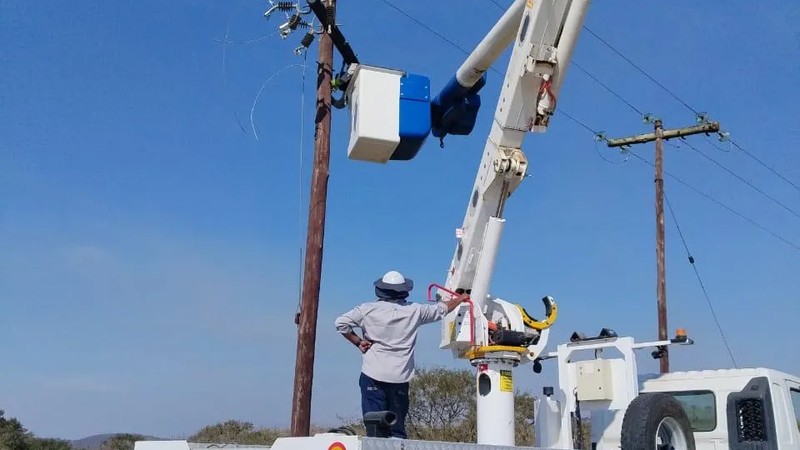
When Eskom sent its crews into Hardingsdale Farm in Claridge, Pietermaritzburg, to rip out transformers and cut over 1,000 households off the grid, it framed the move as a necessary act of protection. The utility’s position is clear: seven years of illegal connections, roughly R24 million in lost revenue, and a strained network pushed to breaking point. But this story is not simply about electricity theft. It is about a system that has consistently failed the people it was built to serve — and the communities left to improvise their survival in the gap.
The central thesis here is uncomfortable but important: Eskom’s disconnection of Hardingsdale Farm, while legally defensible, exposes a deeper institutional failure — one where communities are punished for filling a void that the state and the utility created in the first place. Understanding that failure demands we look beyond the headlines about stolen cables and criminal networks.
Start with the numbers. Eskom estimates that electricity theft costs KwaZulu-Natal alone around R6 billion per year, with roughly half of the province’s customers allegedly drawing power illegally. In parts of Pietermaritzburg, that figure climbs to an astonishing 90% of customers not paying for electricity. These are not figures that describe a handful of opportunists gaming the system. They describe a structural breakdown — one so widespread that it cannot be explained by individual moral failure alone.
Residents at Hardingsdale Farm are not denying that illegal connections exist. What they are contesting is the process. Thabiso Mofokeng, a community member, says residents attended multiple meetings with Eskom and reached a clear agreement last year: prepaid meters would be installed, giving households a legal pathway to electricity access. That agreement was never honoured. Then, without warning, the transformers were gone. “How are we supposed to keep our food, light our homes and cook?” Mofokeng asked. “What they have done is ruthless.” That word — ruthless — lands harder when you consider that the community had already agreed to do the right thing, and was left waiting.
Eskom’s senior manager for customer services, Dadewabo Mbhele, described the community’s self-built infrastructure — poles, lines, transformers — as elaborate and engineered, making it “difficult to balance demand and supply.” General manager Kevin Pillay added that the area is largely made up of high socioeconomic measure households with the capacity to pay. This framing matters. It positions residents not as desperate people without options, but as deliberate non-payers. Yet if these households genuinely have the capacity to pay, and if they agreed to prepaid meters, why did Eskom fail to deliver on that agreement before reaching for the disconnect switch?
The land situation adds another layer of complexity that the utility’s press statements conveniently gloss over. Hardingsdale Farm sits on redistributed land, returned to original occupants and administered by a trust. Informal expansion has taken place over 15 years without formal municipal approvals. A Justice Department-appointed administrator manages the area’s affairs — and was unreachable for comment when journalists came calling. The area councillor referred media elsewhere. This is what governance failure looks like in practice: a community growing and building on reclaimed land, with no formal municipal framework to support legal service connections, and no single accountable authority willing to face the camera.
The consequences of the disconnection are not abstract. Residents on the formal side of the property have lost access to water, because borehole pumps that depend on electricity have stopped working. Food spoils. Homes go dark. Children study by candlelight — or don’t study at all. These are the immediate, physical costs borne by ordinary people while institutions argue over jurisdiction and revenue.
None of this is to say that electricity theft is acceptable. It is not. Illegal connections destabilise the grid, trigger outages lasting up to two weeks, and — as Eskom rightly notes — are increasingly linked to organised criminal networks that install full illegal infrastructure using stolen materials. The R6 billion annual loss to KwaZulu-Natal is real money that could fund maintenance, expansion and the very legal connections communities are waiting for. The cycle is self-defeating, and it has to stop.
But stopping it requires more than enforcement. It requires the state to show up — with meters, with approvals, with a plan — before it shows up with security teams and removal trucks. The Hardingsdale Farm community organised itself, built infrastructure, and attended meetings. It demonstrated exactly the kind of civic engagement that service delivery depends on. The response it received was disconnection. That outcome does not encourage future cooperation. It breeds resentment, and resentment breeds more illegal connections.
For South Africa’s youth, who will inherit both the energy crisis and the inequality that fuels it, the lesson from Pietermaritzburg is stark: when institutions fail to deliver, communities adapt — and then get blamed for adapting. Until the deeper failures of planning, land administration and service delivery are genuinely addressed, no amount of transformer removals will resolve the electricity crisis in KwaZulu-Natal. It will simply move it underground.



