Physical Address
304 North Cardinal St.
Dorchester Center, MA 02124
Physical Address
304 North Cardinal St.
Dorchester Center, MA 02124

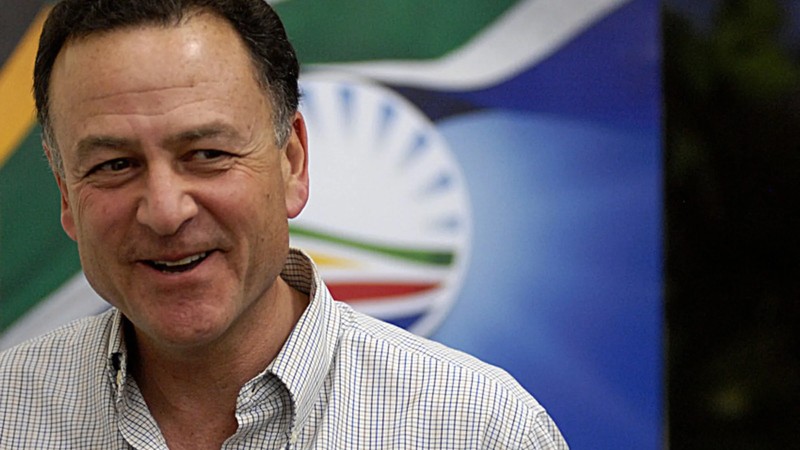
South Africa’s Democratic Alliance is facing serious questions about its integrity. And the accusations aren’t coming from opponents — they’re coming from within.
Former DA leader John Steenhuisen recently revealed in an interview with News24 that DA ministers inside the Government of National Unity (GNU) faced direct pressure from specific business interests to alter government policies. The admission has sent shockwaves through South African political circles, and analysts are now asking a blunt question: has the DA lost the moral authority it built its brand on?
Steenhuisen named Resolve Communications — a lobbying firm chaired by former DA leader Tony Leon — as the source of the pressure. According to Steenhuisen, Resolve acted on behalf of two clients: Elon Musk’s Starlink and REDISA, a waste management company. The lobbying targeted several senior DA figures, including Steenhuisen himself during his time as Minister of Agriculture, Communication Minister Solly Malatsi, and current Agriculture Minister Willie Aucamp, who previously led the Department of Forestry, Fisheries, and the Environment.
Steenhuisen says Resolve arranged meetings between Starlink officials and ministers, with Starlink complaining that Malatsi wasn’t moving fast enough on their interests. He reported the situation to his party, flagging it as potentially problematic. As for the pressure on ministers George and Aucamp regarding REDISA, Steenhuisen offered no further details. The picture remains incomplete — but what’s visible is already damaging.
Not necessarily — at least not legally. Political analyst Zakhele Ndlovu from the University of KwaZulu-Natal is clear on this point. Business interests lobbying governments and funding political parties is a feature of virtually every democracy on earth. It isn’t illegal, as long as it follows the rules.
But legality and integrity are two different things. Ndlovu argues that the DA has now forfeited the moral high ground it used to claim on clean governance and transparency. His words are direct:
“I wouldn’t be surprised if the DA is captured just like other parties, as the business sector spends a lot of money trying to influence government policy in its favour.”
This matters because the DA has built its entire political identity around fighting corruption and demanding accountability from others — especially the ANC. If the same dynamics it condemns are operating inside its own structures, that identity takes a serious hit.
Policy analyst Dr Reneva Fourie, who specialises in governance and development, puts it even more starkly. If Steenhuisen’s claims are accurate, she says, it would mean Tony Leon is attempting to “grossly” interfere with government policy through DA ministers — and doing so in a way that bypasses the procurement processes designed to keep public resources fair and transparent. Those processes exist precisely to stop powerful companies from steering public money toward themselves.
Importantly, it remains unclear whether Starlink or REDISA are among the companies financially backing the DA. Neither appears on the donor list published by the Electoral Commission of South Africa on 29 May 2026. That gap in the record raises more questions than it answers.
The ANC, predictably, has pounced. In a formal statement, the party said Steenhuisen’s allegations “warrant the same level of scrutiny and accountability that the DA has consistently demanded of others.” New DA leader Geordin Hill-Lewis, for his part, says he is focused on building a party capable of winning a national election and earning the trust of South Africans who have never voted DA before. A forward-looking answer to a very present-tense problem.
The core issue here isn’t just about one lobbying firm or one former leader. It’s about whether any political party — regardless of its stated values — can resist the gravitational pull of money and influence. For young South Africans watching this unfold, the lesson is uncomfortable but important: accountability has to be universal, or it means nothing at all.



