Physical Address
304 North Cardinal St.
Dorchester Center, MA 02124
Physical Address
304 North Cardinal St.
Dorchester Center, MA 02124

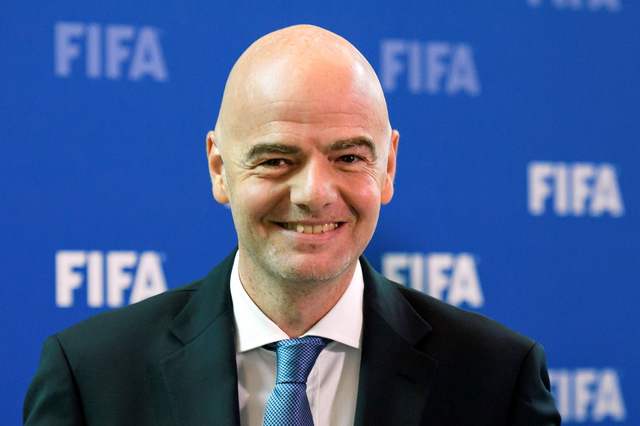
Eighty billion dollars. That’s the number FIFA President Gianni Infantino wants you to remember about the 2026 World Cup. He announced it at Davos, the world’s most exclusive economic summit, and he was careful to add that the figure didn’t come from FIFA — it came from the World Trade Organization. But does that make it true? And more importantly, what does it actually mean for the countries involved?
The $80 billion estimate originates from a report produced by a consultancy called OpenEconomics, commissioned as part of a joint FIFA-WTO initiative. Here’s the catch: FIFA itself was one of the organisations that paid for the research. When you fund a study that evaluates your own event, the independence of that study becomes a serious question. OpenEconomics has also previously produced economic analyses backing other Infantino pet projects — including a proposed biennial World Cup and the expanded Club World Cup — which doesn’t exactly scream neutrality.
The numbers get more specific when you zoom in on the United States, one of the three host nations alongside Canada and Mexico. The report projects a $17.2 billion GDP boost and roughly 185,000 full-time equivalent jobs created. Those projections rest on big assumptions: international tourists staying around ten days and spending approximately $500 per day. That’s a lot of faith placed in visitor behaviour that hasn’t happened yet.
Major sporting events consistently overpromise on economic returns. Hotels, restaurants and transport systems have a ceiling — when demand spikes, prices go up, but genuinely new economic activity doesn’t always follow. A city selling the same hotel room for three times the price isn’t growing its economy; it’s just redistributing money already in the system.
The jobs question is equally tricky. A tournament that lasts just over a month gives businesses very little reason to hire permanent staff. What actually happens is seasonal contracts, overtime shifts and temporary workers — none of which translate into the kind of lasting employment that transforms communities or reduces youth unemployment in any meaningful way.
The report goes further, attempting to put a financial value on social outcomes like improved wellbeing, healthier lifestyles and stronger community bonds — a methodology called Social Return on Investment. These effects might genuinely exist, but most economists will tell you they are notoriously hard to measure without leaning heavily on subjective assumptions. Attaching a dollar figure to “community engagement” is, at best, an educated guess.
Then there’s the tourism paradox. Big events attract massive crowds, yes — but they also push away regular visitors who simply don’t want to deal with inflated prices and gridlocked streets. Some of the spending the report attributes to the World Cup may be replacing tourism that would have happened anyway, not adding to it.
German economist Matthias Fett, writing for Der Spiegel, went even further, suggesting the United States could ultimately register a net economic loss once all costs and opportunity costs are factored in. That’s the opposite of $17 billion in gains. The gap between those two projections tells you everything about how uncertain these forecasts really are.
What is certain? FIFA expects to earn around $11 billion during the 2026 tournament cycle. The organisation itself will walk away richer regardless of what happens to host economies. For young people across Africa and the Global South watching this unfold, the lesson is sharp and worth internalising: when powerful institutions make spectacular economic promises around mega-events, the fine print almost always tells a more complicated story than the headline ever will.



