Physical Address
304 North Cardinal St.
Dorchester Center, MA 02124
Physical Address
304 North Cardinal St.
Dorchester Center, MA 02124

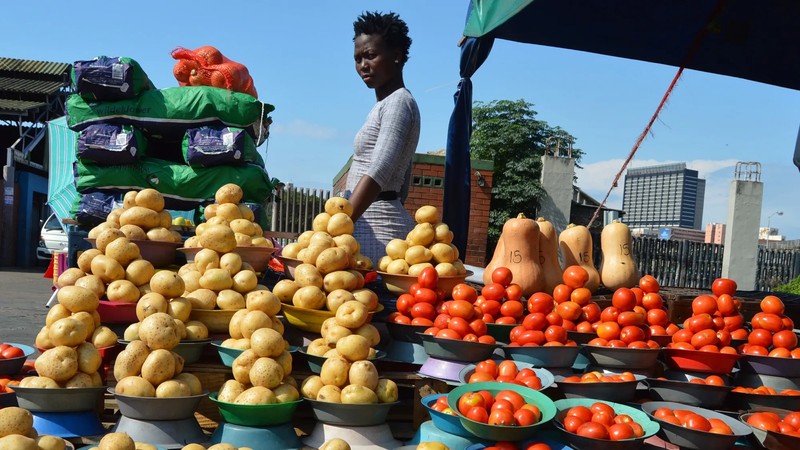
Picture a street vendor in Hillbrow, Johannesburg — stall packed up before dawn, goods locked away, phone buzzing with warnings from neighbours. That image captures the mood gripping South Africa as June 30 arrived, a date that anti-illegal immigration activists had turned into an unofficial deadline, and that Parliament felt compelled to address directly.
On Monday, June 29, the Chairperson of the Select Committee on Economic Development and Trade, Ms Sonja Boshoff, issued a public call urging small business operators and street vendors to exercise extreme caution and avoid exposing themselves to unnecessary danger. The warning landed with particular weight for foreign nationals operating in affected areas, who were specifically advised to avoid any confrontation with protesters.
This was not a routine parliamentary statement. It was a signal that the stakes were real.
The June 30 deadline did not emerge overnight. Over the past two months, demonstrations fuelled by anti-illegal immigration sentiment had been building across parts of the country, generating what Parliament described as “significant public attention.” The unofficial nature of the deadline made it harder for authorities to contain — there was no single organiser to negotiate with, no formal march permit to revoke.
Ms Boshoff acknowledged the underlying frustrations directly. “The concerns many South Africans have regarding the impact of illegal immigration are genuine and deserve to be heard,” she said, adding that these concerns “point to systemic failures that require decisive and lawful action by government.” But she drew a firm line: no grievance, however legitimate, could justify vandalism, intimidation, assault, or any criminal conduct.
The constitutional right to protest, she stressed, is fundamental to democracy — but it must be exercised peacefully, responsibly, and within the law.
Even before June 30 arrived, the deadline had already triggered a visible and deeply human crisis. More than 25,000 foreign nationals had already been bussed out of South Africa, while thousands more had fled their homes, seeking refuge in repatriation centres, consulates, and makeshift camps. Communities were fractured. Livelihoods were abandoned overnight.
The fear was not irrational. South Africa’s 2008 xenophobic violence — when mobs torched homes, looted shops, and killed 62 people across the country — cast a long shadow over every conversation about this moment. Authorities were acutely aware of the precedent.
That history explains, at least in part, why the state moved so decisively. Thousands of police officers and soldiers were deployed across the country, with Acting Police Minister Firoz Cachalia confirming that R600 million had been redirected within the South African Police Service budget to ensure operational readiness. It is a staggering sum — and a measure of how seriously the government viewed the threat.
For ordinary South Africans trying to navigate the day, the guidance was blunt. Human rights attorney Yolanda Akram put it plainly: “The key message for the public is that tomorrow remains an ordinary working day.” Labour lawyers backed that up with a legal warning — workers who stayed away could face the no-work, no-pay principle, because the shutdown was not a protected strike.
Business chamber members, meanwhile, were already adapting. Many indicated they would avoid identified protest routes, postpone out-of-town deliveries, limit staff travel where possible, and strengthen on-site security. The disruptions were anticipated between 07h00 and 16h00 along major protest corridors.
Security planners identified several high-risk flashpoints: the Johannesburg CBD and Hillbrow, the N1, N3, and N12 freight corridors in Gauteng, Durban and Pietermaritzburg in KwaZulu-Natal, Mossel Bay, Kleinmond, and Gansbaai in the Western Cape, and KuGompo City — formerly known as East London.
Police Deputy Minister Polly Boshielo was unequivocal: authorities would not tolerate vigilantism, xenophobic violence, intimidation, or any form of lawlessness aimed at dictating who may or may not live within communities. “Anyone who threatens violence, incites attacks or spreads messages calling for harm will be investigated and prosecuted,” she said.
Ms Boshoff went further, pointing to the structural question that sits beneath all of this. The situation, she argued, highlights the urgent need for government to demonstrate that immigration laws are being enforced “consistently, fairly and without fear or favour.” And crucially, she called on government to “communicate a clear and credible plan beyond the 30 June deadline.”
That phrase — beyond the deadline — matters. Because June 30 is a date, but the tensions that produced it are not going away when the calendar turns.
For the young South Africans watching this unfold — the generation that will inherit whatever comes next — the events of June 30 raise questions that go deeper than a single day of demonstrations. They touch on what it means to belong, who gets to feel safe in their own neighbourhood, and whether the state can be trusted to act justly when communities are afraid.
Somewhere in Hillbrow, that street vendor is waiting to find out.



