Physical Address
304 North Cardinal St.
Dorchester Center, MA 02124
Physical Address
304 North Cardinal St.
Dorchester Center, MA 02124

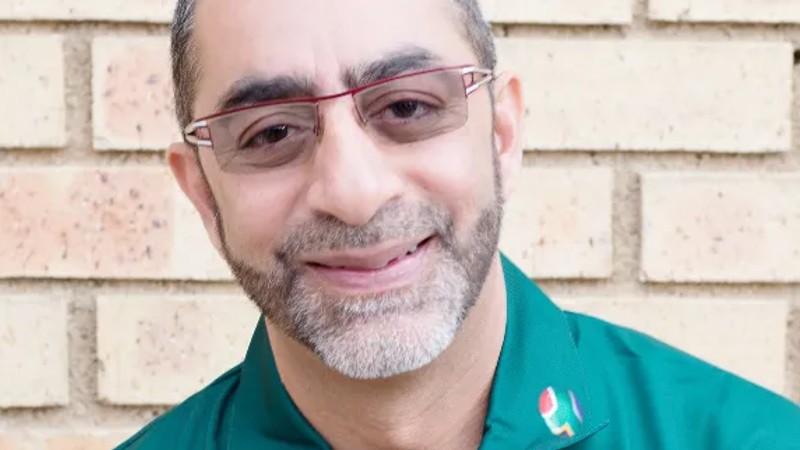
South Africa’s 2026 local government elections are approaching fast, and one of the country’s most respected humanitarian voices is making a clear case: staying home on election day is not neutrality — it is surrender. Gift of the Givers founder Dr Imtiaz Sooliman delivered that message with force at an IEC-hosted thought leadership seminar in Khayelitsha, and his argument deserves serious attention from every young South African who has ever felt let down by the political system.
The thesis Sooliman advances is straightforward but urgent: democratic participation at the local level is the single most direct lever citizens hold over the quality of their daily lives, and abandoning that lever because politics feels broken only entrenches the very dysfunction people are frustrated by. You cannot transform a country by avoiding its elections. You transform it by showing up, choosing differently, and holding those you elect to account.
His critique of the current political landscape is sharp. Coalition politics, he argued, has too often devolved into power struggles driven by personal agendas rather than service delivery. Municipalities across the country are dysfunctional not because governance is inherently impossible, but because too many people in positions of authority went to government to serve themselves rather than their communities. The question he posed at the seminar cuts right to the heart of it: “Do people go to government to serve the country or to serve themselves?” For millions of South Africans living without reliable water, electricity, or sanitation, that question is not rhetorical — it is the lived reality of every single day.
What makes Sooliman’s intervention particularly compelling is that he does not stop at criticism. He offers a concrete alternative vision. Rather than waiting for established political parties to self-correct, he called for citizens to build a “coalition of civil society” — a collective push to identify and support genuine changemakers already embedded in communities, people who lead in local structures and have demonstrated real commitment to their neighbours. “Show the political parties a point that if they can’t deliver, you can do it yourself,” he said. That is a direct challenge to passive frustration, and it speaks directly to a generation that has grown up watching institutions fail.
Sooliman also pushed back against the idea that effective leadership is primarily a matter of credentials or professional polish. Honesty, integrity, compassion, and a genuine commitment to others — these, he argued, matter far more than academic qualifications when it comes to governing well. For young voters who sometimes feel that politics is a closed world reserved for career politicians, that reframing is significant. It opens the door to a different kind of civic imagination.
The practical stakes are immediate. Voter registration weekends took place on 20 and 21 June 2026, with the elections themselves scheduled for 4 November 2026. Sooliman called for an extension of the registration period — a request the IEC was unable to accommodate — precisely because he understands that mobilising first-time voters takes time and sustained effort. The window is narrowing.
The implication of everything Sooliman said in Khayelitsha is this: the 2026 local government elections are not just another cycle of disappointing options. They are an opportunity for communities — and especially young people — to exercise real power at the level of governance that affects them most directly. Roads, clinics, schools, water, waste collection: all of it flows through local government. Disengagement is not a protest. It is a gift to those who benefit from low turnout and low expectations.
Register. Verify your details. Vote for values, not just parties.



