Physical Address
304 North Cardinal St.
Dorchester Center, MA 02124
Physical Address
304 North Cardinal St.
Dorchester Center, MA 02124

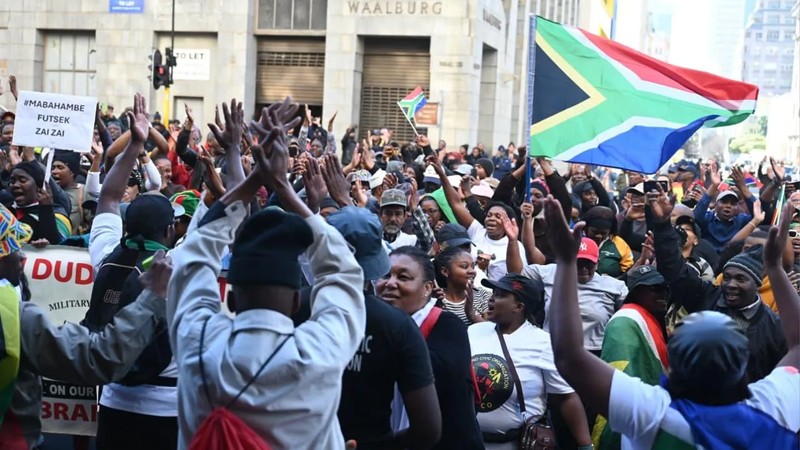
Labour organisations in South Africa are raising the alarm over a growing number of alleged unlawful dismissals targeting migrant workers, as employers appear to be capitalising on the wave of anti-undocumented migrant protests sweeping the country. The Simunye Workers Forum (SWF), a Gauteng-based labour advocacy group, has documented multiple cases in recent weeks in which migrant workers were dismissed, retrenched, or barred from returning to work — moves the organisation describes as deliberate and unlawful exploitation of the current political climate.
The SWF has been direct in its assessment. “It has become clear to us over the past few weeks that employers are seizing upon the current mobilisations to carry out unfair dismissals and unlawful pseudo-retrenchments,” the organisation stated. The cases documented span several workplaces across Gauteng, and advocates warn the trend could accelerate if left unchecked. For the thousands of migrant workers employed across South Africa’s agricultural and industrial sectors, the stakes could not be higher.
The most prominent case involves approximately 90 Malawian workers employed at Harvest Fresh Farms in Meyerton, operated by Wire Ventures. On June 18, the workers — many of whom had clocked between five and 15 years of service — were informed that a Department of Home Affairs verification had found them not legally authorised to work in South Africa. According to SWF, the company initially offered each worker a paltry R3,000, covering both final salary and severance pay, before raising the amount to R5,000 after pushback. The organisation further alleges that workers signed mutual separation agreements under duress, raising serious questions about the validity of those agreements under South African labour law.
SWF also alleges a broader pattern of workplace misconduct at the farm, including threats by a manager to dismiss three employees every week, the presence of a firearm on the factory floor used to intimidate staff, and systemic failure to pay workers the correct wage rates set by the Metal and Engineering Industries Bargaining Council. These allegations, if proven, would point to a workplace culture of coercion long before the current protests gave employers political cover to act.
Wire Ventures has rejected the core claims. The company insists the retrenchments were not based on nationality, arguing instead that the affected employees had repeatedly failed to provide valid work authorisation over an extended period despite being asked to do so. The company says it followed a formal consultation process under Section 189 of the Labour Relations Act, explored alternatives to retrenchment, and paid all legally required amounts, including notice pay, accrued leave, and severance pay where applicable. It also denied any record of managers threatening workers with dismissal.
On the firearm allegation, Wire Ventures confirmed that a manager did lawfully carry a licensed firearm for personal protection, but stated that following workers’ concerns, the firearm was required to be locked away during working hours and removed from the factory floor entirely. Regarding wages, the company said it joined the Metal and Engineering Industries Bargaining Council in June and was actively working with the council to ensure correct classification and remuneration of employees. Wire Ventures also disputed SWF’s standing in the matter, stating it was engaging directly with the Casual Workers Advice Office instead.
Migrant rights advocates are drawing a firm legal line. James Chapman, Head of Advocacy at the Scalabrini Centre of Cape Town, argues that neither public pressure nor ongoing protests give employers any legal basis to bypass labour legislation. “While employers are prohibited from knowingly employing undocumented foreign nationals, that does not exempt them from their obligations under labour law,” Chapman stated plainly. His point cuts to the heart of the debate — the existence of an irregular immigration status does not dissolve the employment relationship or the protections that flow from it.
Chapman went further, addressing the specific scenario unfolding at farms and factories across Gauteng. “If an employer has employed someone for years despite knowing, or having reason to know, of their immigration status, they cannot simply rely on that status to avoid following fair dismissal procedures when public pressure mounts,” he said. Critically, he confirmed that undocumented workers retain the right to refer unfair dismissal disputes to the Commission for Conciliation, Mediation and Arbitration (CCMA), a legal avenue that many affected workers may not know they can access.
The situation exposes a tension that runs deep in South Africa’s labour landscape: the country’s progressive labour laws extend protections to all workers, documented or not, yet enforcement remains patchy and vulnerable to political pressure. For young Africans watching this story unfold, it is a sharp reminder that legal rights on paper mean little without the institutions and advocates willing to enforce them on the ground.



