Physical Address
304 North Cardinal St.
Dorchester Center, MA 02124
Physical Address
304 North Cardinal St.
Dorchester Center, MA 02124

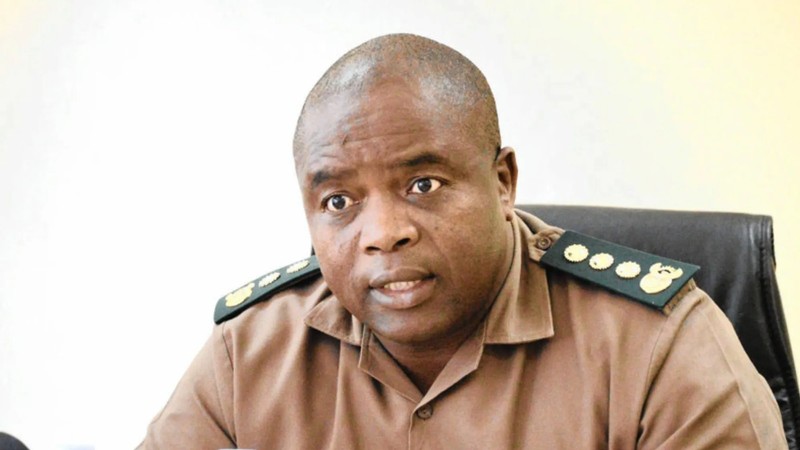
Mnikelwa Nxele, KwaZulu-Natal’s Regional Commissioner of Correctional Services, appeared before the Pietermaritzburg Magistrates’ Court on Wednesday, 24 June 2026 — one day after his arrest — facing charges of fraud and money laundering linked to a R20 million Bosasa corruption case.
Nxele was granted bail of R50,000 under stringent conditions. The case has been postponed to 16 September 2026, pending a centralisation certificate from the office of the National Director of Public Prosecutions (NDPP).
According to the Investigating Directorate Against Corruption (IDAC), the charges stem from evidence presented by former Bosasa executive Angelo Agrizzi at South Africa’s State Capture Commission. Investigators allege that Nxele received bribes of approximately R100,000 per month while serving as chairperson of the Special Bid Adjudication Committee in KwaZulu-Natal.
Authorities further allege that Nxele used a trust called Zogoba Trust — which he registered himself — to conceal the movement of funds and hide assets accumulated through criminal activity. He also faces allegations of failing to disclose his financial interests to the Department of Public Service and Administration (DPSA).
The alleged offences date back as far as 2004, spanning more than two decades of suspected corrupt conduct.
Nxele was placed on precautionary suspension in May 2025 following initial corruption allegations. He has publicly claimed that both his suspension and the charges against him are acts of retaliation for exposing allegedly inflated prison food supply contracts within the department.
The Department of Correctional Services has firmly rejected that narrative, stating that Nxele is attempting to deflect attention from his own disciplinary matters.
Multiple anti-corruption bodies have been involved in bringing this case to court:
The Bosasa scandal — one of the most high-profile corruption cases to emerge from the State Capture era — continues to send shockwaves through South Africa’s public institutions. Cases like Nxele’s highlight how corrupt networks can operate for decades inside government departments, diverting public funds meant for essential services.
With prison food supply contracts already under scrutiny, this arrest raises urgent questions about accountability and transparency in how the state manages its most vulnerable populations — including the incarcerated.



