Physical Address
304 North Cardinal St.
Dorchester Center, MA 02124
Physical Address
304 North Cardinal St.
Dorchester Center, MA 02124

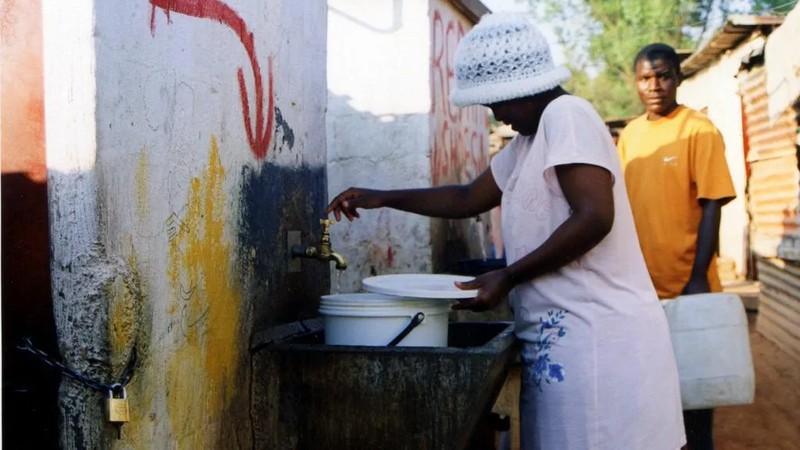
With South Africa’s local government elections locked in for 4 November 2026 — as confirmed by President Cyril Ramaphosa — the country’s municipalities are facing a moment of reckoning. More South Africans have access to municipal services than ever before, but where you live still largely determines what you actually receive, and the gap between the best and worst-served communities remains stark.
The Auditor General, Tsakani Maluleke, has been blunt in her assessment: over the past four years, mayors and councils of the 6th administration have made only limited progress in strengthening governance and improving service delivery. Residents and businesses across the country continue to experience unreliable services, environmental hazards, and deteriorating infrastructure — a reality that hits hardest in already vulnerable communities.
Some 38 municipalities, representing 15% of all local governments and accounting for 24% of the total local government expenditure budget, have actually regressed since the 2020-21 financial year. That is not stagnation — that is a measurable step backwards. The performance of the eight major metros, which directly affect the daily lives of millions of urban South Africans, continues to decline.
A March 2026 survey by Ipsos drives the point home: only 38% of South Africans believe their local government is doing a good job. That means nearly two out of three citizens have lost confidence in the very institutions responsible for delivering water, sanitation, electricity, and roads to their doorsteps.
The picture is not entirely bleak, and it would be misleading to frame it that way. There has been a significant jump in unqualified audit opinions, climbing to 61% in 2024-25 — a level not seen since the 2015-16 financial year. Financial accountability, at least on paper, appears to be recovering ground it had long since lost.
The timely submission of financial statements also hit a record high of 98%, suggesting that administrative capacity in some municipalities is genuinely improving. These are real gains, even if they have yet to translate into the kind of tangible service delivery improvements that ordinary people can feel in their daily lives.
Ahead of the elections, several leading political parties have announced the creation of “war rooms” and emergency governance structures specifically designed to tackle local government failures. Water supply and rural infrastructure have emerged as the two dominant priorities, reflecting where public frustration runs deepest — particularly in under-resourced rural and peri-urban areas that have long been overlooked.
These moves signal that political actors are acutely aware of how central municipal dysfunction has become to the electoral conversation. Whether these structures produce real solutions or simply generate campaign-season optics remains to be seen, but the pressure from voters is clearly being felt across party lines.
For the 15-to-25-year-old generation — the cohort most likely to be entering the formal economy, starting families, and building lives in cities and townships — the state of local government is not an abstract political question. It determines whether there is clean water coming out of the tap, whether streets are safe and lit, and whether the environment young people grow up in supports or undermines their futures.
The November 2026 elections represent a direct opportunity to hold municipal leadership accountable, and the data now available makes it harder than ever for any party to dodge that accountability. The question is no longer whether South Africa’s municipalities are under strain — the evidence is clear. The question is what voters, especially young ones, choose to do about it.



