Physical Address
304 North Cardinal St.
Dorchester Center, MA 02124
Physical Address
304 North Cardinal St.
Dorchester Center, MA 02124

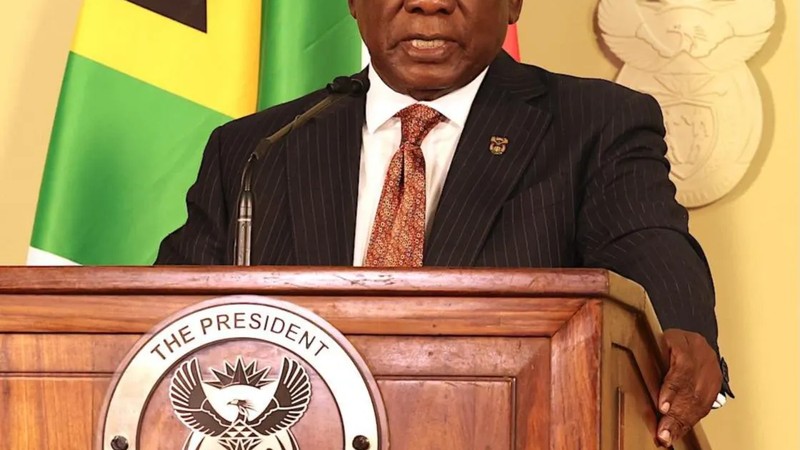
If you’ve been seeing the name Cyril Ramaphosa and the phrase “impeachment inquiry” trending and wondering what’s actually going on, here’s the breakdown. South Africa’s Parliament has set up a special committee — made up of representatives from 16 political parties — to investigate whether President Ramaphosa violated his constitutional obligations. The whole thing traces back to a scandal at his private Phala Phala game farm in Limpopo, where large sums of foreign currency were allegedly hidden and then stolen, with critics claiming Ramaphosa tried to cover it up rather than report it through proper legal channels.
In 2022, an independent panel chaired by former Chief Justice Sandile Ngcobo reviewed the evidence and concluded there were sufficient grounds to launch a formal Section 89 inquiry — the constitutional mechanism that can lead to a president’s removal from office. That panel report is now the document at the heart of everything. It is what triggered the committee, and it is what Ramaphosa is now fighting in court.
The Western Cape High Court recently granted an interdict — essentially a legal stop order — that prevents the committee from holding public hearings until Ramaphosa’s own legal challenge to the Ngcobo panel report is resolved. Judge André le Grange delivered the ruling, stating plainly that the committee cannot proceed with public impeachment hearings while the president’s review application is still before the courts. Ramaphosa’s legal team, led by Advocate Wim Trengove, argued that forcing the president through a public inquiry before the report is tested in court could cause him irreversible harm — an injustice that, once done, couldn’t be walked back.
Opposition parties pushed back hard, calling the legal move a deliberate strategy to buy time and delay accountability. The Democratic Alliance leader Geordin Hill-Lewis specifically demanded that the review application be heard urgently and that Parliament continue all preparatory work the court still permits. The review hearing itself is scheduled for September 2 to 4, meaning the public hearings could resume relatively quickly if the court rules against the president’s challenge.
Not quite — and this is the part that often gets lost in the headlines. Makashule Gana, who chairs the impeachment committee, was clear that the court only interdicted the public hearings, nothing more. Parliament’s own legal team confirmed this interpretation, and independent legal experts have backed Gana’s reading of the ruling. The committee’s internal, administrative work is still fully allowed to continue, and Gana confirmed that a committee meeting scheduled for July 29 would go ahead as planned.
That meeting carries real significance. Members are expected to finalise the appointment of an independent evidence leader — a senior legal figure who will guide the inquiry’s proceedings — and to formally approve the committee’s terms of reference, which set out the rules, scope and parameters governing the entire process. Getting these structures locked in now means that if and when the High Court dismisses Ramaphosa’s review application, the committee can move into public hearings immediately, without losing additional weeks to administrative groundwork.
This case is about far more than one man’s political future. What’s being tested here is whether constitutional accountability mechanisms in a young democracy can actually hold a sitting head of state to account — or whether legal delays and procedural battles can be weaponised to outlast public pressure. The Section 89 process is rare, powerful and largely untested at this scale in South Africa, which means the precedents being set right now will shape how presidential accountability works for decades to come.
The tension between Ramaphosa’s right to a fair legal process and the public’s right to a transparent, timely inquiry reflects a genuine constitutional balancing act — one that courts, parliaments and citizens across the continent grapple with constantly. Ramaphosa’s spokesperson Vincent Magwenya said the president respects the court’s ruling, but the political pressure is not going away. With the review hearing just weeks out and a committee actively preparing in the background, the inquiry is very much alive — just temporarily operating behind closed doors.



