Physical Address
304 North Cardinal St.
Dorchester Center, MA 02124
Physical Address
304 North Cardinal St.
Dorchester Center, MA 02124

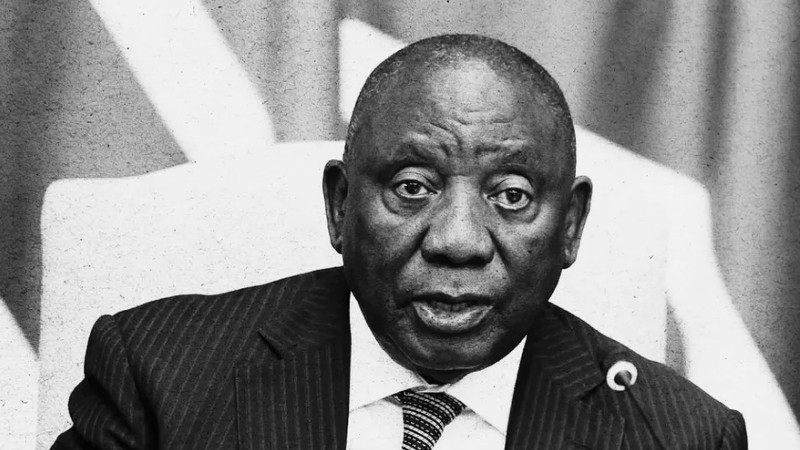
South Africa’s Constitutional Court has drawn a hard line in the sand. By Wednesday, August 5, any party wishing to oppose the urgent application to overturn a Western Cape High Court ruling that paused President Cyril Ramaphosa’s impeachment inquiry must file their papers. The clock is ticking, and the stakes could not be higher.
The directive, issued on Thursday July 30, came as the African Transformation Movement (ATM), the Economic Freedom Fighters (EFF), the uMkhonto we Sizwe Party (MKP) and the United Africans Transformation (UAT) collectively pushed the country’s apex court to act fast. Their shared goal: reverse a high court interdict that effectively put Parliament’s Impeachment Committee on ice.
The Western Cape High Court’s majority judgment — delivered by Judges Diane Davis and André le Grange — handed Ramaphosa a temporary shield, blocking the impeachment committee from continuing its work until his review application against the Independent Panel report on the Phala Phala scandal is heard in September. Judge Matthew Francis dissented, and that dissent has become a rallying point for the opposition parties pushing back hardest.
EFF leader Julius Malema, in his founding affidavit, argued that Judge Francis got it right when he found Ramaphosa has no reasonable prospects of success in his pending review application — a critical point he says the majority conveniently sidestepped. Malema went further, telling the Constitutional Court the issues at stake are “burning and enduring,” stretching well beyond this single case and setting the template for every future impeachment process in South Africa.
That argument carries real weight. A Constitutional Court ruling in May had already revived the impeachment process under Section 89 of the Constitution, referring the independent panel’s report back to Parliament’s impeachment committee. Ramaphosa then launched a legal counter-offensive, seeking an urgent interdict to freeze the committee’s public hearings while his review was pending. The Western Cape majority gave him exactly that. Critics say the move hands any sitting president a legal toolkit to delay accountability indefinitely.
ATM leader and MP Vuyo Zungula, who sits on the very impeachment committee now blocked from doing its job, argues in his founding affidavit that the high court judgment created dangerous legal uncertainty. Parliament, he insists, has a constitutional obligation to hold the president accountable — and no court order should be able to suspend that function. His application asks the Constitutional Court to hear the matter urgently during the week of August 10 to 14, grant leave for a direct appeal, replace the high court’s order entirely and compel Ramaphosa to pay costs.
The impeachment committee itself voted 15 to 13 to appeal the Western Cape ruling — a slim but decisive margin that signals just how divided the political landscape remains on this question.
At the centre of this legal storm is the report by a panel headed by retired Chief Justice Sandile Ngcobo, which found that Ramaphosa might have violated the Constitution in connection with the foreign currency theft scandal at his Phala Phala game farm. That finding triggered the Section 89 process, the independent panel, the Constitutional Court revival, and now this urgent battle at the apex court.
Ramaphosa, National Assembly Speaker Thoko Didiza, the chair of the impeachment committee, the EFF, the MKP and the UAT are all cited as respondents in the various proceedings — a legal web that reflects just how many institutional actors are now entangled in this fight. His review application against the panel report is expected to be heard in early September, which is precisely why the interdict was granted: to hold the line until then.
But for a generation of young South Africans watching public institutions either rise to the moment or buckle under political pressure, the question is simpler and sharper than any legal argument. Can a president use the courts to outrun accountability? The Constitutional Court’s next move will go a long way toward answering that.



