Physical Address
304 North Cardinal St.
Dorchester Center, MA 02124
Physical Address
304 North Cardinal St.
Dorchester Center, MA 02124

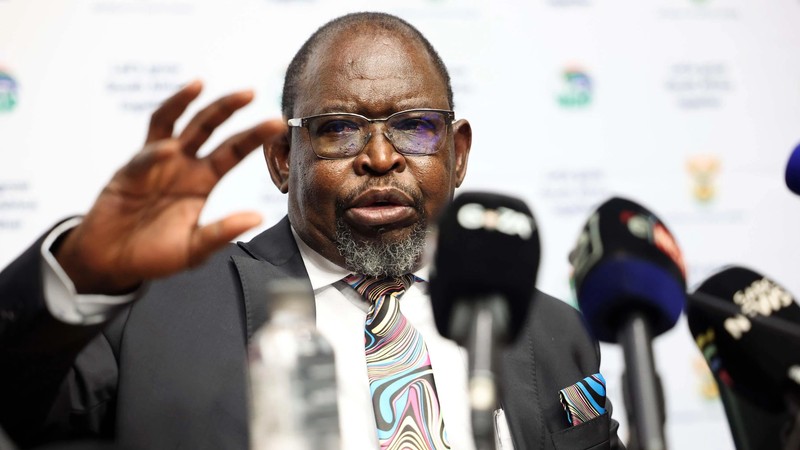
On Friday, 16 July, South Africa’s Parliament convened an emergency joint session to decide the financial fate of Johannesburg and 68 other municipalities. At stake: R13.5 billion in equitable share transfers — money that the National Treasury had frozen, refusing to hand over until these councils got their act together. This is not a small administrative hiccup. It is a full-blown confrontation between central government and dozens of local administrations that have, for years, mismanaged public money on a staggering scale.
The session was called by Parliament’s Portfolio Committee on Cooperative Governance and Traditional Affairs, chaired by Dr Zweli Mkhize, together with the chairs of the finance, public accounts (Scopa) and appropriations committees. The message was clear: business as usual is over.
National Treasury did not freeze these funds on a whim. The decision came after a long paper trail of warnings, deadlines, and ignored red flags. Back in December last year, Treasury put municipalities on notice: fix your finances or face consequences. Letters went out to 99 municipal mayors on 22 June, giving councils until 30 June to prove they were on track.
Thirty municipalities responded in time and met the requirements. The remaining 69 did not — and their transfers were withheld as a result.
Finance Minister Enoch Godongwana described the freeze as a painful last resort, not a first instinct. Treasury officials and their supporters called it “tough love” — and pointed to a similar freeze last year on 75 municipalities that successfully pushed councils to sign debt-repayment agreements with Eskom and water boards.
The suspension spans all nine provinces, cutting across major metros and small towns alike. The City of Johannesburg — South Africa’s economic engine — had a jaw-dropping R3.6 billion withheld on its own. Other affected municipalities include Mangaung, Nelson Mandela Bay, Buffalo City, Beaufort West and Port St Johns.
To put the scale in context: the total equitable share allocation for municipalities in the new financial year is R110 billion. The frozen R13.5 billion represents a portion of the July tranche alone. More than half of South Africa’s municipalities are currently in some form of financial distress — this freeze is the symptom of a much deeper systemic illness.
Dr Mkhize made clear that the committee stood behind Treasury’s legal authority to act. He placed the blame directly on local administrations that had ignored years of warning signs, and described the funding freeze as a necessary tool to combat local-level corruption. The committee, he said, “welcomed and appreciated the intent” behind Treasury’s decision.
That said, Parliament’s session was not a rubber-stamp exercise. Lawmakers pressed Treasury hard on the details — the timeline, the criteria for compliance, and the plan for municipalities that simply cannot meet the requirements without collapsing essential services.
Not everyone is convinced that freezing funds is the answer. Municipal analysts and opposition voices argue that the approach treats the symptom while leaving the disease untouched. Signing a repayment plan, they point out, does not fix a broken billing system or root out an entrenched culture of corruption overnight.
The deeper concern is structural: without genuine institutional reform, the same municipalities will find themselves back in the same crisis next year, and the year after that. The freeze creates a seasonal cycle of crisis and compliance — councils scramble to meet Treasury’s minimum requirements, unlock their funds, and then drift back into dysfunction.
Treasury, for its part, pushed back on this framing. Officials stressed that consequence management is the responsibility of municipal councils themselves, not of Treasury. Oversight structures — including councils, mayors and audit committees — must hold officials accountable. Treasury’s role is to enforce compliance through financial controls, not to run local government from Pretoria.
By the time Parliament’s emergency session convened on 16 July, 27 municipalities had already complied with Treasury’s requirements and had their money released. The remaining councils remained under the freeze, pending proof of corrective action.
Treasury confirmed that the freeze could be as short as one to two weeks for councils that submit credible payment plans and demonstrate they are addressing financial management failures. The clock is ticking — and for millions of South Africans who depend on these municipalities for water, electricity and basic services, the stakes could not be higher.



