Physical Address
304 North Cardinal St.
Dorchester Center, MA 02124
Physical Address
304 North Cardinal St.
Dorchester Center, MA 02124

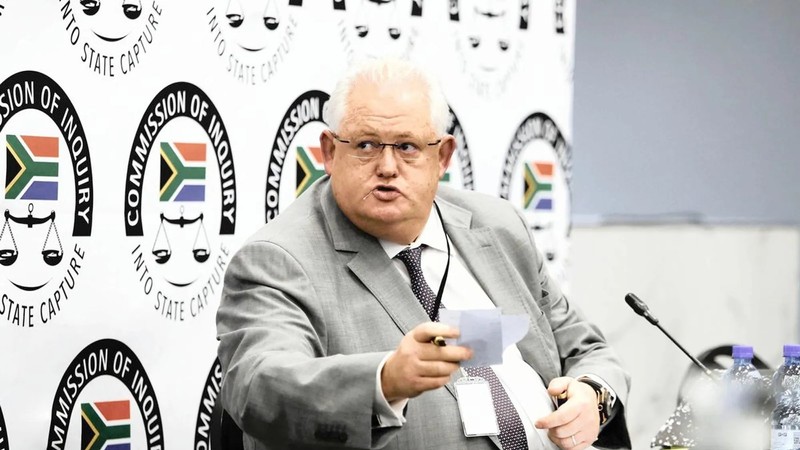
If you followed South African politics at all during the Zondo Commission hearings, you know the name. Angelo Agrizzi, former chief operating officer of Bosasa, became one of the most explosive whistleblowers in recent South African history when he stepped forward to expose a web of corruption, bribery, and political deal-making inside one of the country’s most powerful private companies. Now, he’s back — and he says he has more to say.
Agrizzi has formally requested permission to testify before the Madlanga Commission under witness protection. He says he holds fresh sworn evidence pointing to political interference in the investigation and prosecution of the Bosasa corruption scandal. This is not a rumour. Sources confirmed the request to IOL, and a copy of the submission was leaked.
In his sworn submission, Agrizzi identifies himself plainly: “I am Angelo Agrizzi, the whistleblower whose voluntary evidence to the Zondo Commission exposed the corruption within Bosasa and the bribery of public officials.” He then goes further — much further.
Agrizzi alleges that investigators deliberately abandoned efforts to trace financial flows involving Vulisango and entities linked to the Watson family. He also claims that key intermediaries named in official state reports — including individuals identified as the Mansells and Hoeksma — were never interviewed and never prosecuted. That is a significant accusation. It suggests the investigation may have been steered away from certain targets.
Yes — and the details get uncomfortable fast.
Agrizzi further alleges that perjury accusations involving the late Gavin Watson, a central figure in the Bosasa saga, were simply never pursued. Watson died in a car accident in 2019, shortly after the Zondo Commission began hearing testimony. The question of whether those allegations were dropped due to his death or due to deliberate inaction remains unanswered.
Perhaps most striking is Agrizzi’s claim about his own portrayal in the case. He contends that evidence presented against him wrongly cast him as a beneficiary of Bosasa’s corrupt dealings, rather than a conduit — someone who passed money along rather than pocketed it. He says senior NPA counsel raised concerns about this framing internally, yet those concerns were allegedly ignored.
Here is the bigger picture. Corruption in state institutions does not just affect politicians and boardrooms. It drains public hospitals, underfunds schools, and delays infrastructure in the communities that need it most. When law enforcement agencies like the Hawks and the NPA are allegedly manipulated to protect the powerful, accountability collapses — and ordinary people pay the price.
The Madlanga Commission represents a live opportunity to test whether South Africa’s post-Zondo reform promises are real or cosmetic. Agrizzi’s request to testify under witness protection signals something important: even whistleblowers who have already gone public still feel unsafe. That alone should raise serious questions.
The Commission has yet to formally respond to Agrizzi’s request. Whether it grants him the platform — and the protection — he is asking for will say a great deal about where South Africa’s accountability project actually stands.



