Physical Address
304 North Cardinal St.
Dorchester Center, MA 02124
Physical Address
304 North Cardinal St.
Dorchester Center, MA 02124

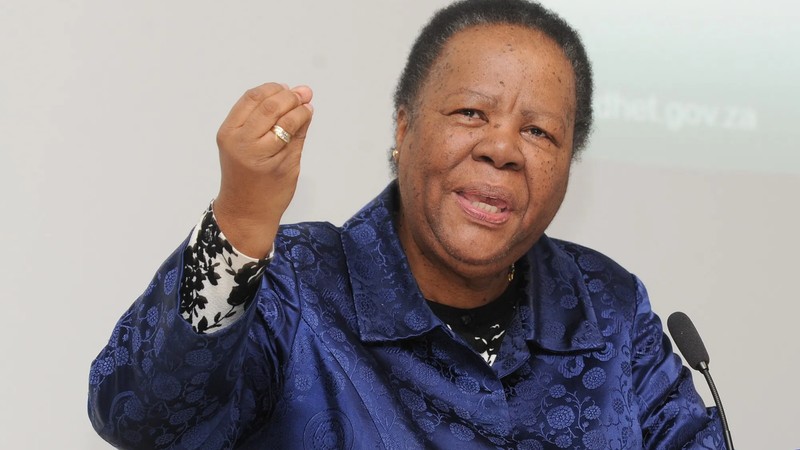
The debate over anti-migrant violence in South Africa has just got a lot louder. Dr Naledi Pandor, former South African Minister of International Relations, has fired back at Ghana and Nigeria for pointing fingers at Pretoria — and her message is blunt: African governments need to look in the mirror before casting blame.
Pandor made the remarks on the African Renaissance Podcast, hosted by former EFF leader Dr Mbuyiseni Ndlozi. Her words land at a moment when thousands of migrants are fleeing South Africa, diplomatic tensions are rising fast, and the question of who is responsible for this crisis is being hotly contested across the continent.
Here are the key takeaways from Pandor’s intervention:
Pandor’s argument is uncomfortable — but it is hard to dismiss. “People are running to South Africa because those protections exist here,” she said, referring to constitutional freedoms that many migrants cannot access at home.
This is not just a South African story. It is an African story. The surge in migration across the continent reflects deep structural failures — weak economies, shrinking civil liberties, and governments that have consistently under-delivered for young people. South Africa, despite its own serious challenges, remains a destination precisely because it offers something many neighbouring states do not.
That does not excuse violence against migrants. Full stop.
But Pandor’s point cuts to something real: the diplomatic outrage from Accra and Abuja risks becoming a distraction from harder questions about governance, economic management, and the rights of citizens within their own borders. Ghana was among the first nations to airlift its citizens out of South Africa amid the unrest — a move that signals genuine concern, but also raises the question of why those citizens felt compelled to leave home in the first place.
For young people across the continent — the generation most likely to migrate, most likely to be affected by anti-migrant hostility, and most likely to inherit these broken systems — this moment demands clarity. The violence is real. The fear migrants are living with is real. And the political failures that push people across borders are equally real.
Accountability cannot be selective. It must run in every direction — from Pretoria, to Accra, to Abuja, and beyond. The future of African solidarity depends on leaders being honest about what is driving people away from home, not just who is failing to protect them when they arrive somewhere else.



