Physical Address
304 North Cardinal St.
Dorchester Center, MA 02124
Physical Address
304 North Cardinal St.
Dorchester Center, MA 02124

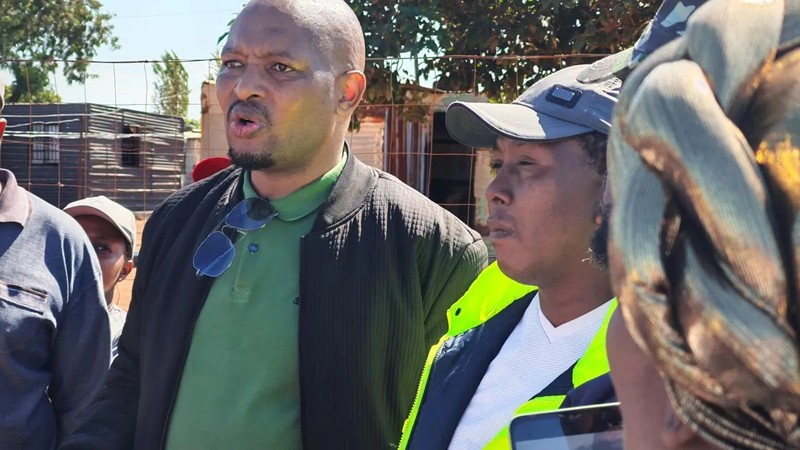
A crumbling hostel. A city buckling under the weight of its own growth. And thousands of residents caught in the middle — this is the reality unfolding right now in Soshanguve, one of Pretoria’s most densely populated townships.
The City of Tshwane has announced plans to relocate residents from the Central Hostel in Soshanguve, a deteriorating structure that has become a flashpoint for the municipality’s deepening housing crisis. The decision follows a site visit by MMC for Housing Aaron Maluleka, who made clear that the city could no longer look the other way. Demolition is now on the table, and the clock is ticking for the people who call that hostel home.
What makes this moment significant is not just the building itself — it is what it represents. Tshwane, South Africa’s administrative capital, holds the uncomfortable distinction of recording the highest number of homeless people of any city in the country, according to the most recent census data. That statistic alone should jolt anyone paying attention. A capital city, seat of government, home to embassies and policy corridors, is simultaneously failing to house its most vulnerable residents. The contradiction is impossible to ignore.
Maluleka has been candid about the bind the municipality finds itself in. On one hand, the city is legally and morally obligated to enforce its own by-laws, particularly around unsafe structures and illegal occupations that have reportedly taken hold in parts of the hostel. On the other hand, displacing people without a credible alternative is not a solution — it is simply shifting the crisis from one postcode to another. The MMC has acknowledged openly that Tshwane’s housing infrastructure is struggling to keep pace with the city’s rapidly expanding population, a problem that years of underinvestment and urban migration have made dramatically worse.
For the young people of Soshanguve and surrounding areas, this situation is not an abstract policy debate. It is lived experience. Overcrowded hostels, inadequate sanitation, the constant threat of eviction — these are the conditions that shape daily life for thousands of families, many of them headed by people under thirty. When a city fails to house its youth, it does not just create a shelter problem; it creates a social one. Precarious living conditions feed unemployment, disrupt education, and erode the kind of stability that any young person needs to build a future.
The relocation plan, as it stands, signals that the municipality is at least moving toward action rather than paralysis. But action without accountability is just motion. The critical questions now are where exactly residents will be relocated, what the timeline looks like, and whether the city has the political will and the budget to follow through. Tshwane’s track record on housing delivery — like many South African municipalities — gives residents every reason to demand specifics rather than reassurances.
There is also the broader question of what happens after demolition. Tearing down a hostel does not tear down the need it was filling. Without a serious, long-term investment in affordable housing stock, the city risks simply pushing people into informal settlements, onto streets, or into other overcrowded structures — restarting the same cycle in a different location. Progressive urban policy demands more than reactive demolitions; it demands proactive planning that puts people, not just buildings, at the center of the equation.
Soshanguve’s Central Hostel is, in many ways, a mirror held up to the failures of post-apartheid housing policy — a system that has moved too slowly, delivered too little, and left too many people behind. For Tshwane’s leadership, the coming months will be a test of whether this moment becomes a genuine turning point or just another headline that fades before the bulldozers even arrive.



