Physical Address
304 North Cardinal St.
Dorchester Center, MA 02124
Physical Address
304 North Cardinal St.
Dorchester Center, MA 02124

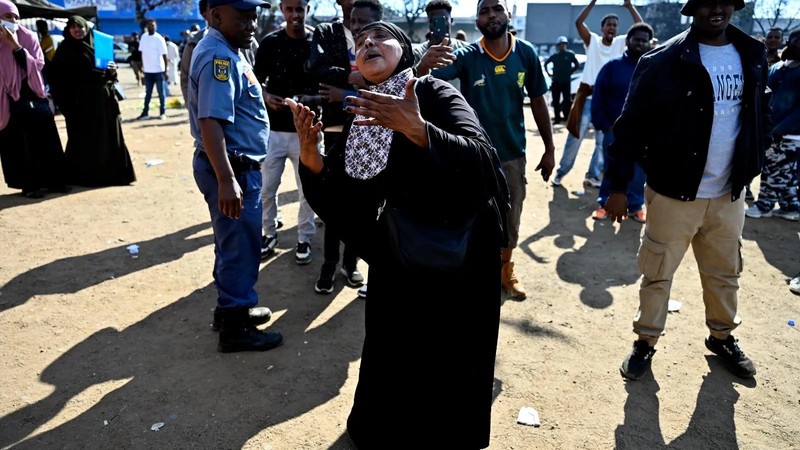
South Africa’s Department of Home Affairs reversed its controversial asylum directive on Friday, but for residents of Orlando West in Soweto, the climbdown arrived too late. Burnt-out cars still line Khumalo Street. Looted spaza shops remain shuttered. And the anger that ignited Thursday’s clashes between residents and foreign nationals has not gone anywhere.
The directive at the centre of the storm stemmed from a Constitutional Court judgment that granted asylum seekers the right to access the application process regardless of how they entered the country. When Home Affairs moved to implement it, communities already stretched thin by unemployment and safety concerns pushed back — hard.
Resident Themba Tafane captured the mood with blunt precision. “I feel it’s too little, too late, because the damage is already done,” he said, adding a cautious hope that things might stabilise going forward. Another resident, speaking anonymously, described a shop owner allegedly brandishing a gun at protesters — a detail that, if verified, would raise serious questions about the circulation of firearms among asylum seekers in the area.
Sifiso Zulu, from Orlando East, confirmed that community members set cars alight after a confrontation with foreign nationals who allegedly opened fire during an attempt to remove them from a local property. Police intervened, but the situation had already spiralled.
Dimpane condemned the destruction and warned that those responsible for the arson and violence “will be pursued and will be captured.” Strong words — but for a community demanding structural answers, a policing response alone is unlikely to satisfy.
The government’s reversal of the directive may have defused the immediate legal flashpoint, yet it has done nothing to address the deeper frustrations driving young South Africans into the streets. Unemployment, perceived inequality in economic opportunity and questions about border enforcement are not problems that disappear with a Friday morning press release.
Soweto is not just reacting to a policy. It is signalling something louder — that when institutions fail communities consistently, the resulting rage finds its own outlet.



