Physical Address
304 North Cardinal St.
Dorchester Center, MA 02124
Physical Address
304 North Cardinal St.
Dorchester Center, MA 02124

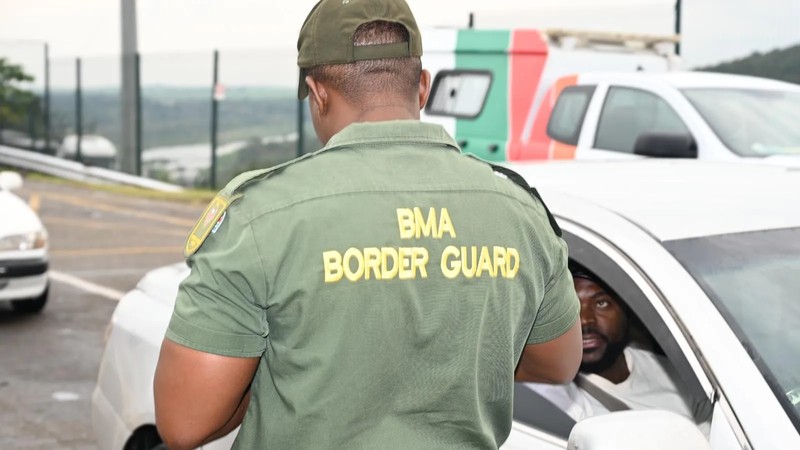
A single report from Swaziland News was all it took. The claim spread fast across social media: Eswatini was allegedly releasing US deportees into South Africa at night, through informal border crossings, after reportedly receiving around R100 million from the United States. The story ignited fears, went viral, and forced official bodies on both sides of the border to respond publicly.
South Africa’s Border Management Authority (BMA) has now firmly rejected these allegations. The authority insists that its land Ports of Entry with Eswatini are secured, monitored, and equipped with access-control measures. No evidence, it says, supports the claim that deportees are slipping through informal crossings.
The facts on the ground tell a different story from the viral narrative. Three third-country nationals — from Yemen, Belize, and Laos — had been temporarily residing in Eswatini under an existing bilateral arrangement with the United States. All three eventually left the kingdom, but through voluntary repatriation, not through any clandestine release into South Africa.
The Yemeni national departed on September 8, having requested to return to his country of origin. The Belizean national followed on September 30, also requesting to go home. The Laotian national left last, on October 4, after similarly requesting voluntary repatriation.
Eswatini’s Acting Government Spokesperson, Thabile Mdluli, confirmed that these departures were part of ongoing, above-board arrangements involving third-country nationals temporarily residing in the kingdom. Nothing covert. Nothing nocturnal.
The original report specifically alleged that the Laotian national had been released and subsequently travelled to Johannesburg. That detail — unverified, never confirmed — was enough to ignite a firestorm online. South Africa’s ongoing anxieties around illegal immigration made the story land hard, particularly among young people already frustrated by economic pressures they often associate with migration policy failures.
Clayson Monyela of the Department of International Relations and Cooperation (Dirco) stepped in to redirect public attention toward the official Eswatini government statement, which directly disputed the allegations. The diplomatic signal was clear: this is misinformation, and it has consequences.
The BMA maintains that South Africa’s land Ports of Entry with Eswatini operate under strict access-control protocols. Officials monitor designated entry and exit points continuously. BMA teams work alongside other law enforcement agencies to maintain a visible, active presence at these crossings.
Beyond the official ports, the BMA also conducts border surveillance and enforcement operations specifically designed to detect unlawful entry. These operations target smuggling and human trafficking networks. Anyone attempting to bypass an official Port of Entry, the authority warns, risks detection and enforcement action.
The BMA also clarified a point that often gets lost in public debate. Individuals in transit through South African airports move through international transfer zones and do not formally enter the country. This distinction matters when assessing who is actually on South African soil at any given time.
This episode is bigger than one viral post. It exposes how quickly unverified migration narratives can destabilize public trust in border institutions — and how vulnerable young, digitally connected populations are to misinformation that taps into real economic anxieties. The fear of illegal immigration is genuine. The specific claim, however, was not backed by evidence.
For the 15-to-25 age group that consumes most of its news through social media, the lesson is sharp: context and official verification matter, especially when the story confirms a pre-existing fear. Governments across the Southern African Development Community (SADC) region will need to communicate faster and more transparently if they want to stay ahead of the next viral wave.
The BMA’s response was firm, but the damage from the original story has already spread. That gap — between rumour speed and institutional response speed — remains one of the most pressing challenges in African regional governance today.



