Physical Address
304 North Cardinal St.
Dorchester Center, MA 02124
Physical Address
304 North Cardinal St.
Dorchester Center, MA 02124

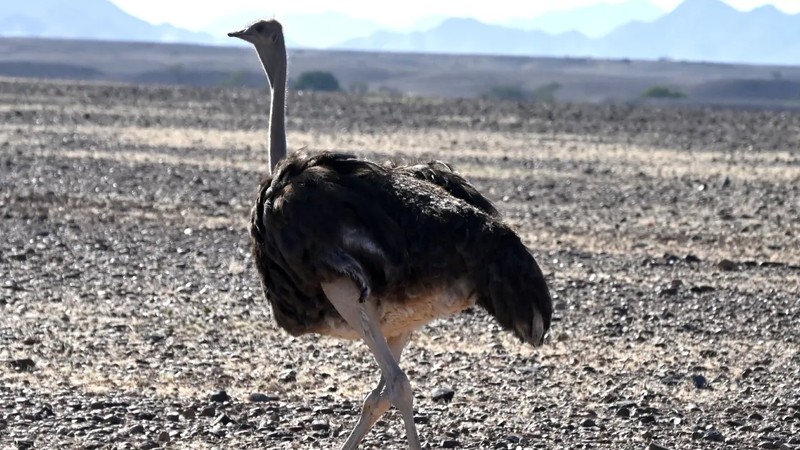
A damning new report is putting some of the world’s biggest luxury fashion brands on blast — and the evidence is hard to ignore. Animal welfare organisation World Animal Protection, working alongside Collective Fashion Justice, has released an investigation titled Blood Feathers, exposing the brutal conditions on commercial ostrich farms and feather-processing facilities across South Africa. The findings directly implicate household names in the fashion industry and raise urgent questions about what “ethical fashion” actually means in practice.
Investigators documented workers cornering ostriches, placing bags over their heads, and then cutting and yanking out feathers — all without any pain relief administered to the birds. Some farms went even further, cutting feathers above the bloodline, meaning the feathers were still actively growing and connected to the animal’s blood supply, before pulling them out with pliers. This process was reportedly repeated on individual birds every six months. Blood found in the shaft of these feathers is precisely what gave the investigation its name: “blood feathers.” Far from being a humane alternative to live plucking, investigators say the method causes extreme distress to the animals involved.
The report also documented injured birds — ostriches unable to stand, and others with wounds from pecking at each other’s eyes and feathers. These are not isolated incidents but systemic conditions across the farms surveyed. World Animal Protection stressed that these findings directly contradict the fashion industry’s frequent claim that ostrich feathers are simply collected during the birds’ natural moulting cycle. According to data obtained from the South African government, more than 150 tonnes of ostrich feathers were exported from South Africa during the 2024–25 season, and approximately 150,000 ostriches were slaughtered to supply the feather, meat and skin trades.
The investigation traced supply chains from these farms and processing facilities directly to some of the most recognisable names in global fashion. The brands linked to these South African suppliers include:
The scale of South Africa’s dominance in this market makes it almost impossible for any brand sourcing ostrich feathers to distance itself from these conditions. When three-quarters of the world’s supply comes from one country, the responsibility to investigate and act falls squarely on the brands doing the buying.
South Africa’s relationship with the ostrich feather trade stretches back over a century. In the early 1900s, ostrich feathers ranked as the country’s fourth-largest export — trailing only gold, diamonds and wool — as the global fashion industry’s appetite for plumes fuelled an extraordinary economic boom. That historical appetite has never truly disappeared; it has simply been repackaged into the supply chains of contemporary luxury brands. Understanding this history matters because it reveals how deeply embedded the industry is in South Africa’s economic fabric, and how much political will it would take to meaningfully reform it.
This story is not just about birds or billionaire fashion houses — it sits at the intersection of African economic sovereignty, global trade ethics and environmental justice. South Africa’s ostrich industry employs thousands of workers, particularly in the Klein Karoo region, and any shift in global demand directly affects livelihoods on the continent. At the same time, the profits from this trade flow overwhelmingly to European luxury conglomerates, while African land and animals bear the cost. That imbalance deserves scrutiny just as much as the animal welfare concerns do.
Olivia Charlton, campaign manager at World Animal Protection, put it plainly: “Feathers are the new fur — it’s the same cruelty just with a different animal. There’s nothing natural about pulling out a bird’s feathers with pliers.” Emma Hakansson, founding director of Collective Fashion Justice, called it “utterly inconsistent” for brands to publicly reject fur while continuing to source ostrich feathers from a slaughtering industry she describes as “full of suffering.” Both advocates point to the existence of innovative bio-materials and fabric manipulation techniques capable of replicating the lightness and volume of feathers — making the continued use of animal-derived plumes, in their view, a choice rather than a necessity.
The Blood Feathers report strips away the glamour that luxury fashion brands have long used to obscure the origins of their materials. South Africa sits at the centre of a global trade that is worth serious money to serious corporations — and the animals and workers caught up in that system rarely get a say in how it operates. For a generation of young Africans who are increasingly shaping global conversations about justice, sustainability and corporate accountability, this is exactly the kind of story that demands attention, debate and action.



