Physical Address
304 North Cardinal St.
Dorchester Center, MA 02124
Physical Address
304 North Cardinal St.
Dorchester Center, MA 02124

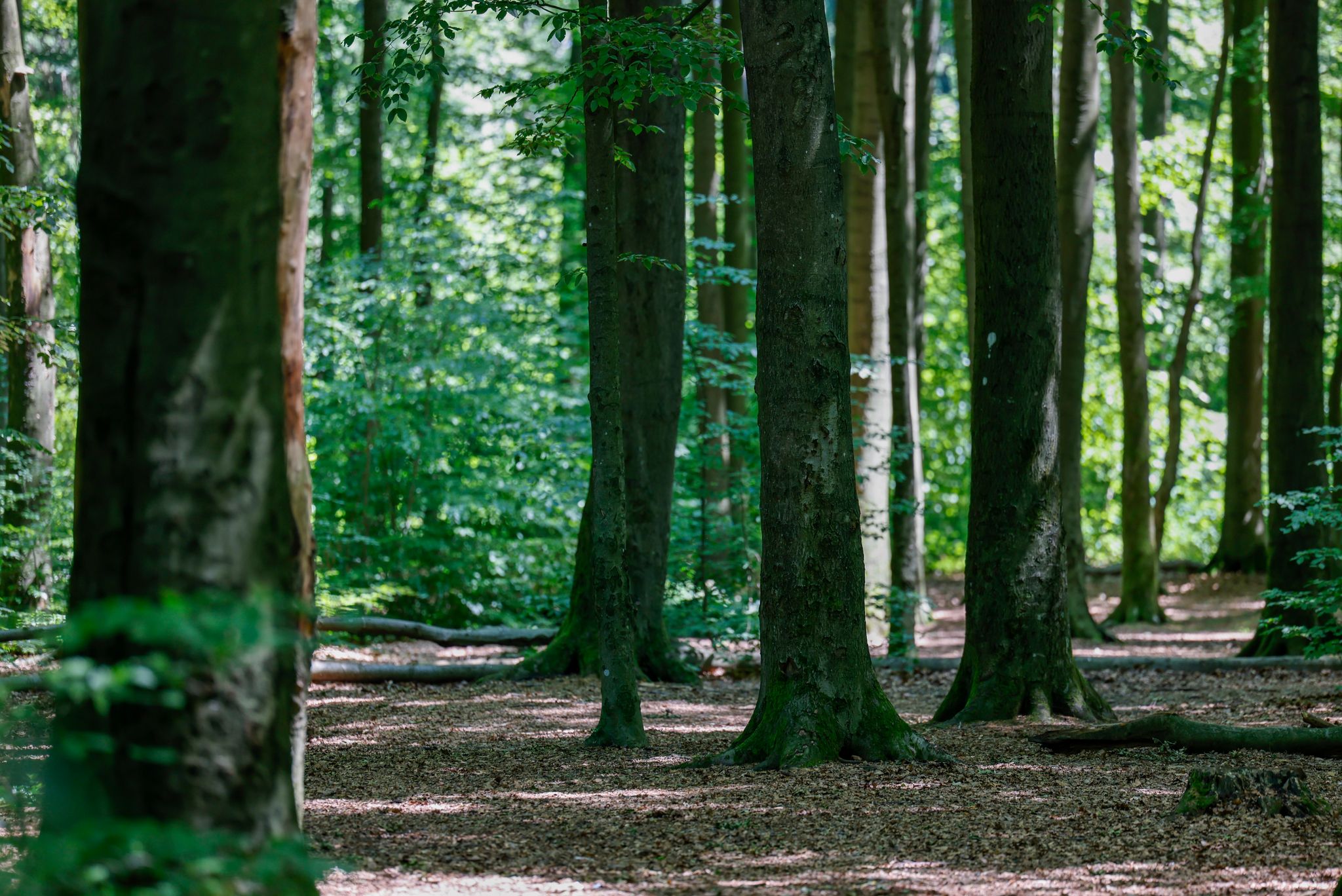
Europe’s forests are losing the battle. The very trees that absorb carbon, cool cities, and shelter biodiversity are themselves buckling under the pressure of a warming planet — and the consequences reach far beyond the forest floor.
The central argument is straightforward: trees remain one of the most powerful and undervalued tools in Europe’s climate arsenal, yet the forces dismantling them — rising temperatures, reckless harvesting, and cascading ecological damage — are accelerating faster than any recovery plan in sight. This is not a distant environmental concern. It is an active crisis unfolding across a continent that covers roughly 40% of its land area in forests, and it demands urgent, clear-eyed attention.
Start with the carbon numbers, because they tell a damning story. According to the GFZ Helmholtz Centre for Geosciences, citing research published in the journal Nature, the average annual carbon uptake by forests in the EU dropped by around 27% between 2020 and 2022 compared to the 2010–2014 period. Trees do not simply store carbon dioxide — they use carbon to build biomass and release oxygen back into the atmosphere, as the Bavarian State Institute for Forestry and Forest Management explains. When that process slows, the ripple effects are enormous. Christopher Reyer, a scientist at the Potsdam Institute for Climate Impact Research and co-author of a study published in the journal Science, puts it bluntly: “If forests take up less carbon, or potentially even release more than they absorb, this increases pressure on other sectors such as transport and agriculture to reduce their emissions more rapidly.” The forest is not a passive backdrop to the climate crisis — it is an active participant, and right now it is losing ground.
The drivers of this decline are both human and climatic, and they reinforce each other in a vicious cycle. Increased timber harvesting for energy production strips forests of mature trees that took decades to develop their full carbon-storing capacity. Meanwhile, heat, drought, pest infestations, storms, and wildfires — all intensified by climate change — batter what remains. Researchers predict that forest damage across Europe will rise by 20% by 2100 even under ambitious climate scenarios. That projection should land like a warning siren for anyone serious about the continent’s environmental future.
Beyond carbon, the case for protecting trees deepens when you consider what they do for the people living among them. In cities, a single 60-year-old plane tree can spread its crown nearly 19 metres wide, providing shade that cuts urban heat. A mature deciduous tree evaporates between 300 and 500 litres of water on a hot summer day — the equivalent of roughly 270 kilowatt-hours of cooling capacity, according to the LWF. That is natural air conditioning, free of charge, powered by rain and soil moisture, though critically dependent on water availability; in dry conditions, trees close their stomata and the cooling effect collapses. Trees also intercept heavy rainfall, slowing runoff and reducing the risk of urban flooding when drainage systems are overwhelmed — a growing concern as extreme weather events become more frequent across the continent.
Then there is biodiversity, which rarely gets the attention it deserves in climate conversations but is inseparable from forest health. Native trees, particularly old-growth fruit trees in orchard meadows, are among the most species-rich habitats in Central Europe. The Bavarian Society for the Protection of Birds and Nature highlights what is at stake:
Mixed, native woodland stands are significantly more resilient and biologically rich than monoculture or non-native plantations — a fact that makes the push for diverse forest management not just ecologically sound but strategically essential.
The implication of all this is clear: protecting trees is not a soft, feel-good policy — it is a hard climate and public health imperative. Reyer argues that forest management must pivot decisively toward building resilience, not just extracting resources. For a generation that will inherit a continent already reshaped by climate breakdown, understanding what forests actually do — and what is being lost — is the first step toward demanding the political will to save them.



