Physical Address
304 North Cardinal St.
Dorchester Center, MA 02124
Physical Address
304 North Cardinal St.
Dorchester Center, MA 02124

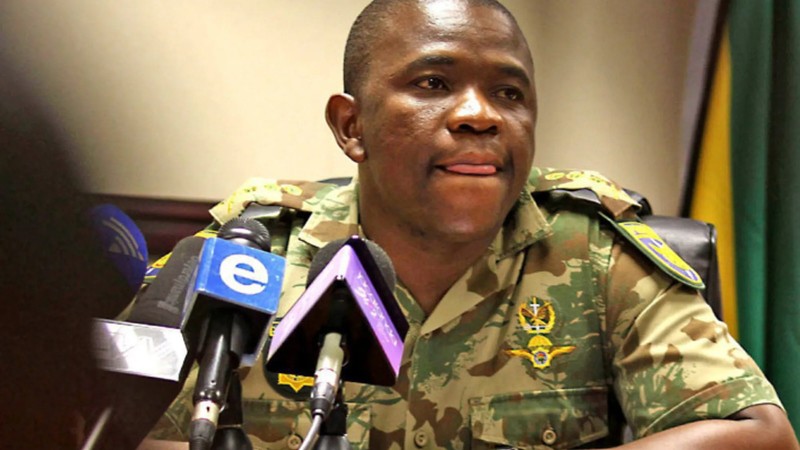
One year ago, a single press briefing cracked the foundation of South Africa’s law enforcement. On July 6, 2024, KwaZulu-Natal Police Commissioner Lieutenant-General Nhlanhla Mkhwanazi stepped before the cameras and did something few senior officials dare to do — he named names, levelled accusations, and set off a chain reaction that is still shaking the country’s institutions to their core.
Mkhwanazi did not simply raise concerns about misconduct. He accused senior police leaders of corruption, alleged that organised crime syndicates had infiltrated the South African Police Service (SAPS), and claimed that politically connected individuals were being actively shielded from prosecution. For a country already bruised by years of state capture revelations, the allegations landed like a second earthquake.
At the heart of his claims was a startling accusation about then Police Minister Senzo Mchunu. Mkhwanazi alleged that Mchunu issued a late-night instruction to immediately disband the Political Killings Task Team and seize more than 120 active case dockets — bypassing National Police Commissioner General Fannie Masemola entirely. Those files, Mkhwanazi alleged, were transferred to the office of Deputy National Commissioner Lieutenant-General Shadrack Sibiya. The dockets reportedly covered organised crime, political killings, and serious criminal investigations. Moving them, Mkhwanazi argued, directly delayed active investigations. Sibiya has denied any wrongdoing.
The allegations went further still. Mkhwanazi accused both Mchunu and Sibiya of colluding with alleged criminal tycoon Vusimuzi “Cat” Matlala to protect politically connected individuals from facing justice. He also claimed Matlala was financially backing Mchunu — a charge that drew immediate attention to a R360-million SAPS Health Risk Management contract awarded to Matlala’s interests. Twelve police officers linked to that contract appeared in court and were granted bail ranging from R40,000 to R80,000. Their cases remain before the courts, where every accused person is presumed innocent unless proven guilty.
President Cyril Ramaphosa moved quickly. He established the Madlanga Judicial Commission of Inquiry to investigate the claims, placed Mchunu on leave, and appointed Firoz Cachalia as acting minister. The commission began hearing evidence shortly after, with Mkhwanazi himself taking the stand as its first major witness. Over several days of testimony, he expanded on his July briefing, painting a picture of a police service compromised from within.
Parliament also stepped in, establishing an ad hoc committee focused specifically on the alleged disbandment of the Political Killings Task Team, the 121 dockets, political interference, and the conduct of senior SAPS officials. By July 2026, that committee had entered the final stage of deliberations on its preliminary report — a sign that the political and institutional fallout from Mkhwanazi’s briefing is far from settled.
One of the more complex threads involves the Investigating Directorate Against Corruption (Idac). Mkhwanazi claimed a rogue element operated within the body, and suggested that Idac’s arrest of Crime Intelligence head Dumisani Khumalo was driven by ulterior motives rather than genuine anti-corruption work. Idac head Andrea Johnson pushed back firmly, telling Parliament there was no truth to allegations of a witch-hunt against police officers. The dispute highlights just how tangled the lines between accountability and political manoeuvring have become.
The Democratic Alliance laid criminal charges against Mchunu, accusing him of misleading Parliament’s Portfolio Committee on Police. Mchunu had told the committee he did not know North West businessman Brown Mogotsi — a figure Mkhwanazi implicated in alleged political interference in police operations. Four months later, Mchunu admitted he does know Mogotsi, describing him only as a comrade. That reversal fuelled public scepticism and gave the DA’s charges political weight beyond party point-scoring.
Outside the institutions, something else was happening. Mkhwanazi became a symbol.
Humanitarian organisation Gift of the Givers, through its founder Dr Imtiaz Sooliman, described him as “a beacon of hope” and one of the few voices of integrity left in South Africa’s crime-fighting apparatus. Hundreds of residents marched to their local police stations in solidarity. The EFF Student Command held a rally at Durban University of Technology in his support. For many young South Africans watching the crisis unfold, Mkhwanazi represented something rare — a senior official willing to speak uncomfortable truths about the system he serves.
That groundswell of public support matters, because the institutional machinery moves slowly. One year on, most of Mkhwanazi’s allegations remain untested in court. The Madlanga Commission continues its work, with a final report expected on August 31, 2026. That report will determine which allegations are supported by evidence and whether the outcome should be criminal prosecutions, disciplinary action, or sweeping structural reforms within SAPS. Mchunu, Sibiya, and other implicated individuals continue to deny wrongdoing.
Civil society organisations and governance experts keep pressing for transparency, warning that public confidence in the justice system cannot survive indefinitely on promises alone. South Africa’s youth — the generation that will inherit these institutions — is watching closely. The question is no longer just what Mkhwanazi knew. It is whether the country’s institutions are strong enough to act on it.



