Physical Address
304 North Cardinal St.
Dorchester Center, MA 02124
Physical Address
304 North Cardinal St.
Dorchester Center, MA 02124

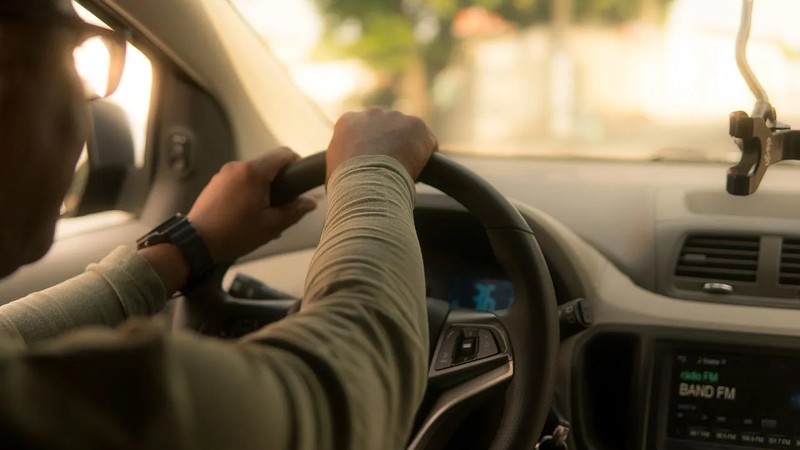
Getting into a stranger’s car is now normal. But is it legal?
For millions of South Africans — especially young people navigating cities on a budget — e-hailing apps like Uber and Bolt have become the default way to move. Open the app, tap a button, get in. Simple. Except that South Africa’s government has just overhauled the rules governing this entire industry, and what looks routine on your screen might not be fully above board on the road.
In September 2025, the National Department of Transport gazetted amendments to the National Land Transport Act, formally recognising e-hailing as an official category of public transport for the first time. That sounds like bureaucratic housekeeping. It isn’t. These amendments introduced hard legal requirements — for platforms, for operators, and for drivers — and they carry real consequences for passengers who don’t know what to look out for.
So what exactly changed? Under the new framework, every e-hailing platform must register with the National Public Transport Regulator (NPTR), and every driver operating through those platforms must hold a valid operating licence, a Professional Driving Permit (PDP), and pass criminal-record screening. Vehicles must also carry visible branding or signage identifying them as e-hailing vehicles, and apps are required to feature a functional panic button. These aren’t suggestions. They are legal minimums.
The registration deadline for platforms fell on 11 March 2025. Bolt met it. Uber did not — the Western Cape Parliament flagged that Uber had yet to register by the cutoff date, though the Department of Transport later confirmed it received an application from Uber South Africa Services, submitted after the deadline. The process is ongoing. What this means practically is that being visible on an app does not automatically mean every legal box has been ticked.
This is the part that directly affects you. Every time you book a ride, a few basic checks can be the difference between a safe, legitimate trip and a genuinely risky situation. Before you open that car door, pull up the booking details in your app and compare the licence plate number character by character with the plate on the car in front of you. Not close enough — exactly the same. Then confirm the make, model and colour. Then look at the driver’s photo and name, and make sure the person behind the wheel actually matches them.
If the vehicle carries no e-hailing signage, that’s a red flag under the new rules. If the app you’re using has no panic button, that’s another. You are legally entitled to ask the driver to show their Professional Driving Permit before the trip begins, and any legitimate, vetted driver should have no problem producing it. The Department of Transport has publicly encouraged commuters to exercise this right and to report concerns to the relevant authorities when something doesn’t add up.
The new legislation also introduces real-time trip sharing, requiring platforms to let passengers share their live location with trusted contacts during any ride. Use it. Send that link to a friend, a sibling, anyone. It costs you nothing and adds a meaningful layer of accountability to every single trip you take.
The regulatory landscape is still shifting, and some platforms are still catching up to the law. That’s not a reason to stop using e-hailing — it’s a reason to use it smarter. A quick thirty-second check before you get in is all it takes to know whether the ride you’re about to take is the one you actually booked.



