Physical Address
304 North Cardinal St.
Dorchester Center, MA 02124
Physical Address
304 North Cardinal St.
Dorchester Center, MA 02124

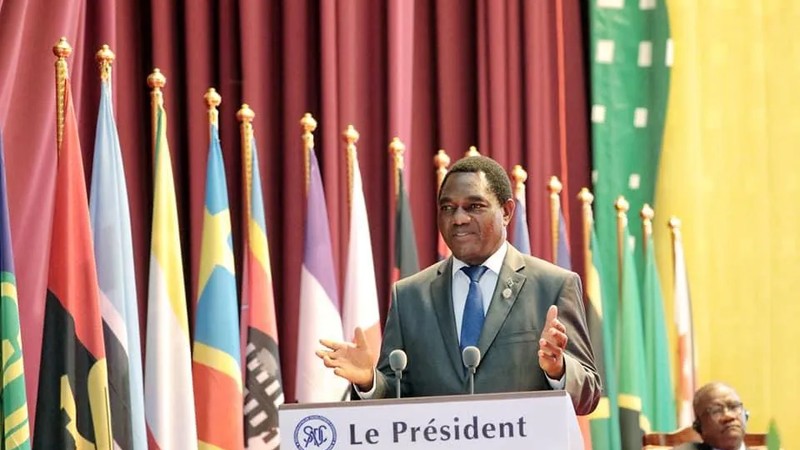
Zambia’s pre-election climate is raising serious alarm bells, with opposition leaders, civic activists, former diplomats, and social voices facing what observers describe as an organised and systematic campaign of repression orchestrated from within government circles. The crackdown, which has been escalating for at least five months, appears designed to silence anyone capable of challenging President Hakainde Hichilema‘s bid for re-election in 2026.
Arrests, intimidation, and persecution are reportedly occurring on a near-daily basis — a pattern that critics say is no accident.
What unites all these groups is their potential to disrupt Hichilema’s path to a second term — and that, analysts suggest, is precisely why they are being targeted.
The scale and regularity of the repression point to something more deliberate than a series of unconnected law enforcement actions. The Zambian government’s machinery has been running this operation for roughly five months, building a climate of fear that distorts the political playing field long before a single vote is cast. When intimidation becomes routine, democratic participation becomes a risk — and that is a problem every young Zambian should take seriously.
The situation has not gone unnoticed beyond Zambia’s borders. The opposition’s plight has drawn international attention, with external observers flagging the incompatibility of these tactics with basic democratic and transparency standards.
Free and fair elections require more than a ballot box. They require an environment where candidates can campaign, citizens can organise, and critics can speak without fear of arrest. Right now, Zambia is struggling to meet that bar.
For Zambia’s youth — the generation that will live longest with the consequences of the 2026 result — the stakes could not be higher. A political system that criminalises opposition is one that narrows futures, not expands them.
As the 2026 election approaches, pressure is mounting on both the Zambian government and the international community to ensure that the vote reflects the will of the people — not the ambitions of those already in power.



