Physical Address
304 North Cardinal St.
Dorchester Center, MA 02124
Physical Address
304 North Cardinal St.
Dorchester Center, MA 02124

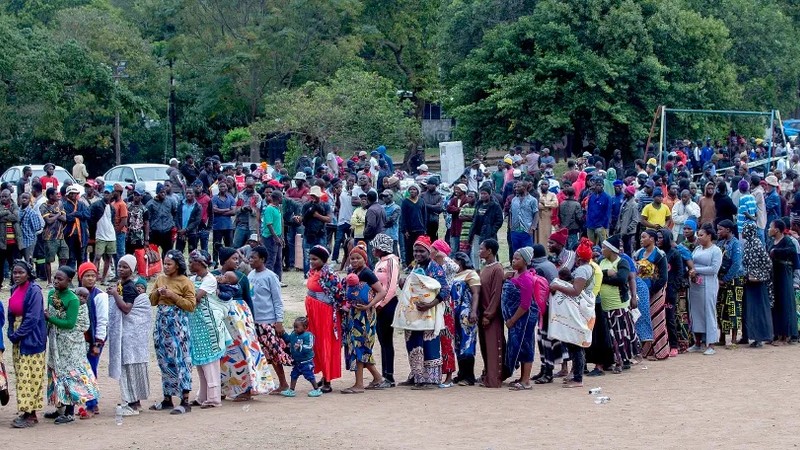
Here’s the uncomfortable truth that South Africa needs to hear: blaming African migrants for the country’s economic struggles doesn’t just fail to solve anything — it actively destroys the continent’s potential. The University of South Africa (UNISA) made exactly this argument last Friday, issuing a sharp condemnation of xenophobic violence and the targeting of foreign nationals. The thesis UNISA is defending is one that every young African should understand and internalize: Afrophobia is not just a moral failure, it is a strategic one that sabotages Africa’s collective future.
UNISA grounded its position in a powerful combination of frameworks — the philosophy of Ubuntu/Botho, the South African Constitution, the African Union’s human rights framework and international human rights instruments. The university’s Senate stated plainly that “every human being is entitled to dignity, safety and belonging.” But the statement went further than moral language alone. UNISA argued that xenophobia and Afrophobia are not simply social problems; they fracture the very foundation of an interconnected African knowledge system. As a university with partnerships and academic networks spanning the entire continent, UNISA knows firsthand what is lost when hostility replaces collaboration — research partnerships collapse, academic mobility stalls and the exchange of knowledge that Africa desperately needs grinds to a halt.
The economic frustrations driving anti-migrant sentiment in South Africa are real. Unemployment is high, inequality is brutal and young people are bearing the sharpest edge of those failures. But as UNISA’s Senate pointed out, “scapegoating solves nothing; instead it creates new problems — moral damage at home and estrangement from African nations whose citizens are mistreated.” Turning fellow Africans into targets for economic frustration is not just wrong — it is strategically self-defeating. South Africa’s structural economic challenges, from inequality to unemployment, were built over decades of apartheid and policy failures. No migrant community created those structures, and no amount of vigilante enforcement will dismantle them.
UNISA was careful to draw a clear line between opposing xenophobic violence and endorsing open borders. The university explicitly stated that it does not support undocumented migration and acknowledged that immigration, documentation and residency policy fall squarely within the responsibilities of the state. That distinction matters, because it refuses to let the conversation collapse into a false binary. Immigration controls and human dignity are not mutually exclusive — a person’s documentation status cannot legally or morally justify denying them due process or basic safety. South African Foreign Minister Ronald Lamola reinforced this point, warning that ordinary civilians have no authority to enforce immigration laws or demand passports from people on the street. Cabinet Minister Khumbudzo Ntshavheni echoed the same message, condemning citizen policing outright.
The bigger picture is one of urgent continental stakes. Climate change, rising inequality, youth unemployment, technological disruption and public health crises do not stop at national borders — and neither can Africa’s solutions. UNISA argued that these shared challenges demand that African nations treat each other’s citizens as partners, not threats. For the generation of Africans aged 15 to 25 who will inherit both these problems and the task of solving them, the choice is stark: build the interconnected, cooperative Africa that the moment demands, or fracture it through suspicion and division. Xenophobia doesn’t just hurt its victims — it weakens every African country that allows it to take root.



