Physical Address
304 North Cardinal St.
Dorchester Center, MA 02124
Physical Address
304 North Cardinal St.
Dorchester Center, MA 02124

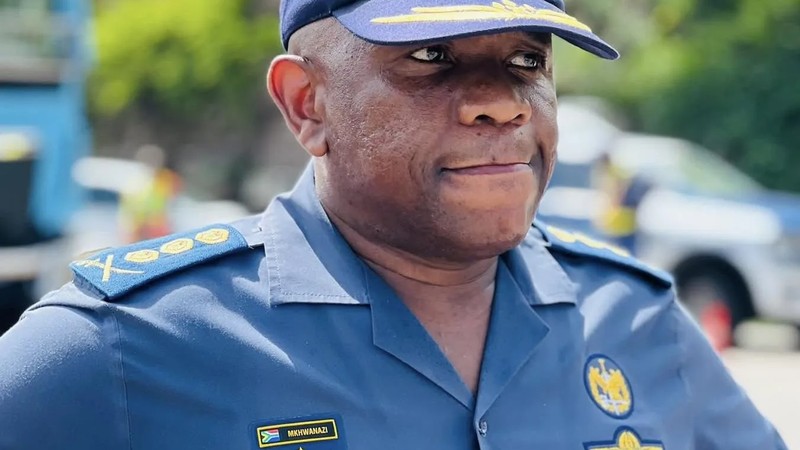
South Africa’s government has fired back at allegations that KwaZulu-Natal provincial police commissioner Lt-Gen Nhlanhla Mkhwanazi was shielding Zulu-speaking criminals during last week’s violent unrest. The claims emerged in the wake of protests that swept through KwaZulu-Natal and Gauteng, leaving a trail of torched cars, looted shops and burned homes — and some very serious questions about who the police were really protecting.
The unrest was triggered by demonstrations demanding that refugee centres stop processing asylum applications, a flashpoint that has exposed deep tensions around migration, identity and the rule of law in post-apartheid South Africa.
At an Inter-Ministerial Committee (IMC) briefing held in Pretoria on Sunday, senior officials came out swinging against the narrative that KZN police had played favourites along ethnic lines.
The government’s unified front was deliberate — officials were clearly determined to shut down what they framed as dangerous and unfounded ethnic narratives before those narratives could deepen the crisis.
Understanding the unrest means going back to a July Constitutional Court ruling that dismantled procedural barriers to seeking asylum in South Africa. The ruling opened the door for people who had entered the country irregularly, lacked asylum transit visas or missed reporting deadlines to still apply for refugee status — a decision that inflamed anti-immigration sentiment in communities already under economic pressure.
Demonstrators took to the streets demanding that refugee centres halt the processing of asylum applications altogether, and the situation escalated rapidly into violence. The protests did not stay contained to KwaZulu-Natal; they spilled into Gauteng, reflecting how broadly the anxiety around migration has spread among South African youth and working-class communities.
The allegation that police were protecting criminals along ethnic lines is not just a claim about one officer — it is a charge that cuts to the heart of whether South Africa’s institutions can be trusted to serve all communities equally. For young South Africans, who have grown up hearing promises of a non-racial democracy, watching those promises tested in real time is both familiar and exhausting.
Cachalia was direct on this point: Premier Ntuli had every economic incentive to keep KZN stable and attractive to investors, and zero interest in allowing ethnic violence to fester. That argument frames the rejection of bias not just as a moral stance, but as a matter of hard political and economic logic — the kind of logic that young people navigating a tough job market can understand immediately.
What happens next — in the courts, in the streets and in the ongoing debate over asylum policy — will determine whether this moment of tension becomes a turning point or just another chapter in a long, unresolved story about belonging, justice and who South Africa is really for.



