Physical Address
304 North Cardinal St.
Dorchester Center, MA 02124
Physical Address
304 North Cardinal St.
Dorchester Center, MA 02124

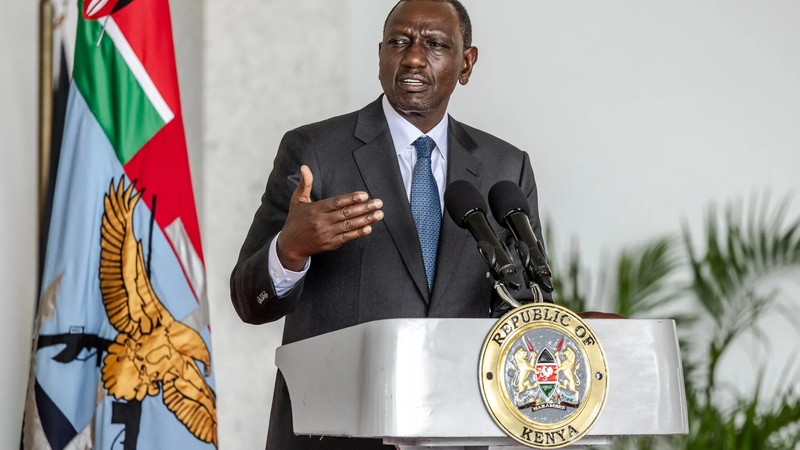
Africa sits on some of the world’s most extraordinary reserves of cobalt, lithium, gold, and oil. It is home to the youngest population on the planet. And yet, decade after decade, it remains the poorest continent — a paradox that demands honest reckoning, not diplomatic deflection.
At forums like the United Nations General Assembly, African leaders consistently deliver powerful speeches about colonial injustice, Western exploitation, and the long shadow of slavery. These grievances are historically legitimate — the West and Arab powers bear real, documented responsibility for centuries of extraction and violence on the continent. That truth must never be erased or minimised.
But those same leaders return home to preside over systematic corruption, crumbling institutions, sponsored conflict, and deepening poverty. The historical record explains the starting conditions. It does not explain what has been done — or left undone — since independence.
Writer and political analyst Phapano Phasha, chairperson of the Centre for Alternative Political and Economic Thought, makes this distinction sharply: the West and Arab conquerors are responsible for much of Africa’s past, but Africa’s political elite is responsible for its present.
The numbers make the argument almost impossible to dismiss. In the years following independence, countries like Nigeria, Ghana, Kenya, and South Africa recorded GDP levels broadly comparable to those of South Korea and Malaysia — nations that have since transformed into major global economies. The divergence that followed was not inevitable. It was political.
Africa’s resource wealth should, by any reasonable measure, be generating broad-based prosperity. Instead, it has too often fuelled elite enrichment, foreign dependency, and institutional decay. The continent’s youngest citizens — those between 15 and 25 years old — are the ones who inherit this dysfunction, and they are the ones with the most at stake in demanding change.
None of this means that Western powers have clean hands today, or that global economic structures do not continue to disadvantage African nations. They do. But accountability is not a zero-sum game — you can demand justice from the outside world while simultaneously demanding competence and integrity from your own leaders.
For a generation raised on social media, increasingly connected across borders, and acutely aware of how wealth is distributed — and hoarded — this moment carries real weight. The political elite has long counted on youth disengagement to sustain the status quo. Civic pressure, electoral participation, and cross-border solidarity among young Africans are precisely the tools that make that calculation harder to maintain.
Africa’s story is not written. Its resources, its demographic energy, and its intellectual capacity remain extraordinary. The question is whether the next generation will settle for the same speeches — or start demanding something real.



