Physical Address
304 North Cardinal St.
Dorchester Center, MA 02124
Physical Address
304 North Cardinal St.
Dorchester Center, MA 02124

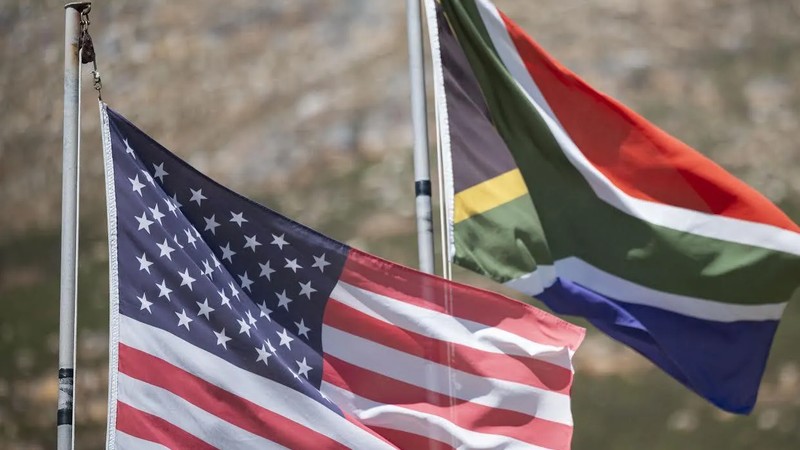
The relationship between Washington and Pretoria has hit a serious wall, and the pressure is only building.
Over the past months, the United States has rolled out a sequence of punishing measures against South Africa — slashing aid to HIV treatment programmes, slapping a 30% tariff on South African exports (one of the highest trade barriers imposed on any sub-Saharan African nation), and introducing visa restrictions targeting South Africans deemed complicit in what Washington calls discriminatory legislation. The US Ambassador to South Africa has made clear these moves are, in his own words, “only the first step in a series of escalatory measures” — a warning that leaves the door wide open for what comes next.
Understanding what Washington could realistically do next requires looking at the full toolkit of pressure it has historically deployed against countries it considers misaligned with its foreign policy interests. Here are the key pressure points currently on the table.
South Africa’s Department of International Relations and Cooperation has been unambiguous about where the country stands, with spokesperson Chrispin Phiri stating that “non-alignment must not be conflated with neutrality” and that South Africa refuses to be drawn into geopolitical contestations. Meanwhile, International Relations Minister Ronald Lamola has been engaged in bilateral meetings in the United States, with trade discussions between Pretoria and Washington still actively continuing — meaning two tracks are running at the same time: escalating pressure from one side, and sustained diplomatic engagement from the other.
For young Africans watching this unfold, the stakes could not be more concrete — thousands of jobs tied to export manufacturing, access to life-saving HIV treatment funding, and the broader question of whether African nations can genuinely chart their own course in a world where powerful states still use economic leverage as a weapon. The outcome of this standoff will say a great deal about what sovereignty actually means in 2025.



