Physical Address
304 North Cardinal St.
Dorchester Center, MA 02124
Physical Address
304 North Cardinal St.
Dorchester Center, MA 02124

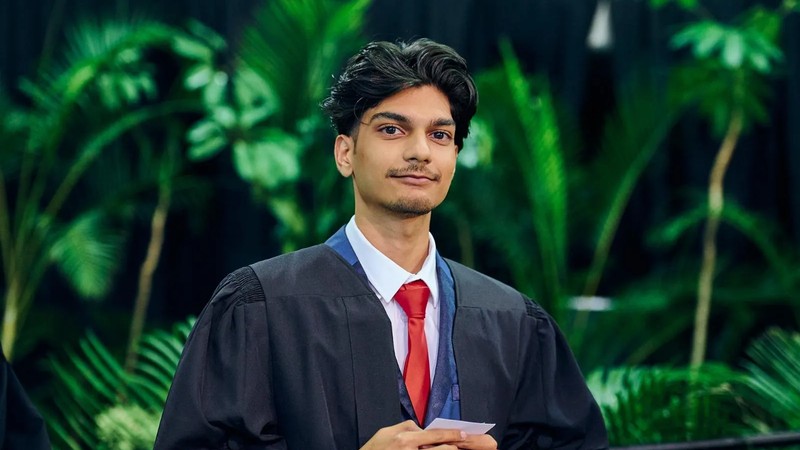
A final-year engineering student just built something that could change how millions of South Africans communicate. Akhil Hansrajh, a recent University of KwaZulu-Natal (UKZN) graduate, has developed an AI-powered system that translates South African Sign Language (SASL) into spoken words in real time — and he did it while juggling financial pressure, mental health challenges, and a full-time job.
South African Sign Language was only recently recognised as the country’s 12th official language, a long-overdue acknowledgement of the deaf and hard-of-hearing community. Yet the technology to bridge the gap between SASL users and the broader population has remained scarce. Hansrajh’s project steps directly into that gap.
The SASL-to-Speech Translation System uses computer vision — the ability of machines to interpret visual information — combined with a custom-built AI model and an established machine learning framework. The system tracks body landmarks in real time, identifies signs as they are made, and then converts those signs into speech through a text-to-speech model. It was trained on a custom dataset built specifically around SASL, meaning it can recognise both individual letters and full words relevant to the South African dialect, not just generic international sign language.
His supervisor, Dr Sulaiman Patel, confirmed that this project was among the first of its kind within UKZN’s Electrical, Electronic and Computer Engineering discipline to focus specifically on SASL. That distinction matters: most existing sign language AI tools are built around American or British variants, leaving South African users behind.
The road was anything but smooth. During the second semester of 2025, Hansrajh faced serious mental health challenges that required an extension on his initial submission. With support from Dr Patel — including referrals to student counselling — he found his footing and pushed forward. Financial strain hit simultaneously: with one outstanding module and mounting bills, he was recommended for a job interview by Professor Tahmid Quazi, secured the role, and completed his degree while working full-time.
The result? A highly commended award from UKZN’s engineering faculty — recognition that the work stood out even within a competitive field.
Hansrajh now plans to keep developing the system, with a focus on improving word recognition and producing more natural, fluent speech output. His longer-term ambitions point toward a career in software, networking, or AI and machine learning. For young Africans watching the continent’s tech space grow, his story is a sharp reminder of what is possible when institutional support, personal resilience, and a genuinely useful idea come together.
SASL’s new status as an official language is a political win — but technology like this is what turns recognition into real, daily inclusion.



