Physical Address
304 North Cardinal St.
Dorchester Center, MA 02124
Physical Address
304 North Cardinal St.
Dorchester Center, MA 02124

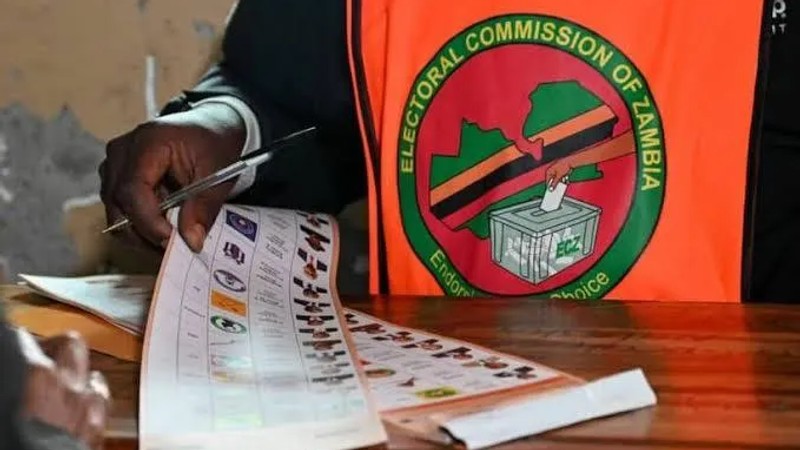
Zambia is living through one of the most consequential moments in its post-independence political history, and the world — including Africa’s younger generations — needs to pay close attention. The central thesis is straightforward: the erosion of electoral integrity in Zambia is not merely a domestic political quarrel, but a stress test for democracy across the entire southern African region, with implications that extend far beyond any single election cycle.
Post-election landscapes across Africa have a troubling tendency to become battlegrounds where the promise of the ballot box collides with the reality of contested power. Zambia, long regarded as a relatively stable multiparty democracy since its transition in 1991, is now caught in precisely that collision — and the outcome will set precedents that other governments on the continent will be watching closely.
Political tensions have escalated sharply in the period following the most recent electoral process, leaving citizens uncertain about what democratic governance actually means in practice when institutions are pressured and accountability mechanisms are tested. That uncertainty is itself a form of democratic damage, because democracy does not only die through coups — it can be hollowed out gradually, through doubt.
At the heart of Zambia’s current crisis is a fundamental question about electoral integrity — whether the processes designed to translate the will of the people into political power are genuinely trustworthy. When that question goes unanswered, or is answered poorly, the consequences ripple outward in ways that are deeply material for ordinary people. Investment stalls, civic participation drops, and the social contract between government and citizens begins to fray.
The international community has not remained silent. Concern from regional bodies and global observers signals that Zambia’s democratic credibility is being evaluated in real time, and that evaluation carries economic weight. Countries perceived as politically unstable face higher borrowing costs, reduced foreign direct investment, and diminished leverage in trade negotiations — burdens that fall hardest on young people entering an already difficult job market.
For the 15-to-25 age cohort that makes up a significant share of Zambia’s population, these are not abstract political science concepts. They are the conditions that determine whether a university degree leads to employment, whether a small business can access credit, and whether the future feels open or foreclosed. Democratic dysfunction is, in the most direct sense, an economic issue for young Zambians.
The path forward demands more than political rhetoric from Zambia’s leadership — it requires transparent institutional reform, genuine accountability for any documented irregularities, and a recommitment to the constitutional frameworks that have historically distinguished Zambia from its more authoritarian neighbours. These are not impossible asks; they are the baseline of functional democratic governance.
Civil society, a historically vibrant force in Zambia, has a critical role to play in holding that line. So does a young, digitally connected population capable of organising, documenting abuses, and amplifying voices that established media might overlook. Africa’s democratic future has never been determined solely by its politicians — it has always been shaped, in part, by the citizens who refuse to accept the erosion of their rights as inevitable.
Zambia’s democratic drama, as it unfolds, is ultimately a mirror held up to the continent. The question it poses is not only whether Zambia’s institutions will hold, but whether the broader African commitment to democratic governance retains the strength to self-correct when tested. That answer is still being written — and young Africans have every reason to demand it be written honestly.



