Physical Address
304 North Cardinal St.
Dorchester Center, MA 02124
Physical Address
304 North Cardinal St.
Dorchester Center, MA 02124

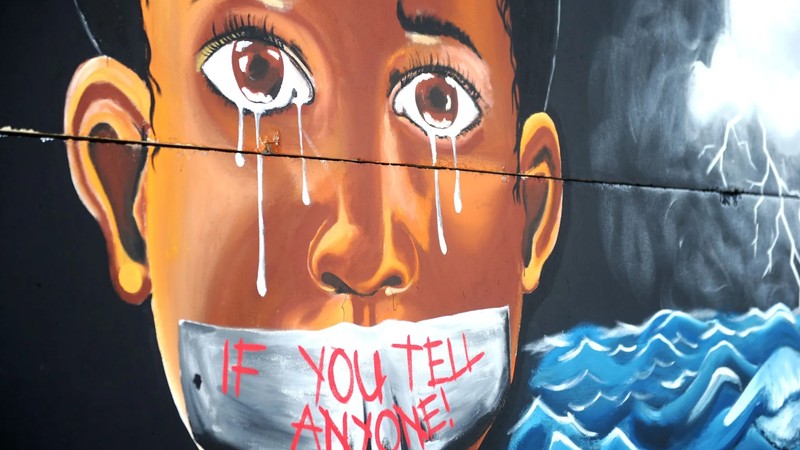
South Africa’s Parliament has sounded the alarm on a deepening crisis: the country’s justice system is failing child sexual abuse survivors at every turn, with only 8.6% of rape cases that reach court resulting in a guilty verdict, according to new data presented before lawmakers.
The problem starts long before the courtroom. Fewer than 4% of rape survivors ever report their abuse to police — and of those who do, between 40% and 60% of cases are withdrawn by either the South African Police Service (SAPS) or the National Prosecuting Authority (NPA), often dismissed as false claims.
A landmark study by the Medical Research Council of South Africa analysed 3,952 reported rape cases. While 65% were referred to prosecution, only 18.5% went to trial — and just 8.6% ended in a guilty verdict.
The data on child victims is especially alarming. A report by the Teddy Bear Foundation (TBF), which supports child abuse victims and their families, examined 5,385 cases between 2019 and 2024. It found that only 4% of child sexual and physical abuse cases resulted in convictions over that five-year period.
About 84% of cases remain unresolved, with 514 withdrawn due to insufficient evidence or witness challenges — delays that deepen the trauma experienced by young survivors.
In 2020 alone, nearly 700 babies were born to girls aged nine and ten. Over the last six financial years, more than 106,000 rape cases and 22,000 sexual assault cases involving children were reported nationwide.
The gendered dimension of this crisis is stark. Across South Africa, one in five children is sexually abused before the age of 17. In the Eastern Cape during 2022/2023, rape accounted for 45.9% of all reported crimes against children — and a staggering 90.1% of child rape victims are girls.
Nationally, rape represents 38.3% of all crimes against children, making it the single largest category of crimes targeting minors.
Experts point to deep-rooted structural failures that prevent justice. A widespread belief among police personnel that women lie about rape discourages survivors from coming forward. SAPS has also been reported to perpetrate sexual violence against victims who attempt to report crimes — a chilling deterrent.
A UNICEF-supported study found that children are increasingly targeted through social media platforms such as Facebook Messenger and WhatsApp, adding a new and rapidly growing dimension to the crisis.
A dangerous and persistent myth — that having sex with a virgin can cure HIV/AIDS — continues to drive child rape in communities severely affected by the epidemic. Perpetrators are frequently known to their victims, and are often family members or caregivers.
South Africa already has legal frameworks designed to protect children. Section 54 of the Criminal Law (Sexual Offences and Related Matters) Amendment Act makes it a criminal offence — punishable by up to five years in prison — to fail to report a known sexual offence against a child.
Section 110 of the Children’s Act further requires teachers, nurses, doctors, religious leaders, and social workers to report any reasonable suspicion of abuse. Despite these provisions, vast numbers of cases still go unreported.
Shaheda Omar, clinical director of the Teddy Bear Foundation, said the findings demand urgent structural change. “This shocking new report has brought into focus the alarmingly low conviction rates of child abuse cases in South Africa,” she said.
“We see countless children who bravely come forward, only to have their cases languish or collapse due to systemic barriers,” Omar added. “The current criminal justice system is failing our children.”
With South Africa recording some of the highest rates of child and infant rape in the world, advocates are calling on the government to act — not with more legislation, but with real enforcement, better support for survivors, and accountability for a system that has long let the most vulnerable down.