Physical Address
304 North Cardinal St.
Dorchester Center, MA 02124
Physical Address
304 North Cardinal St.
Dorchester Center, MA 02124

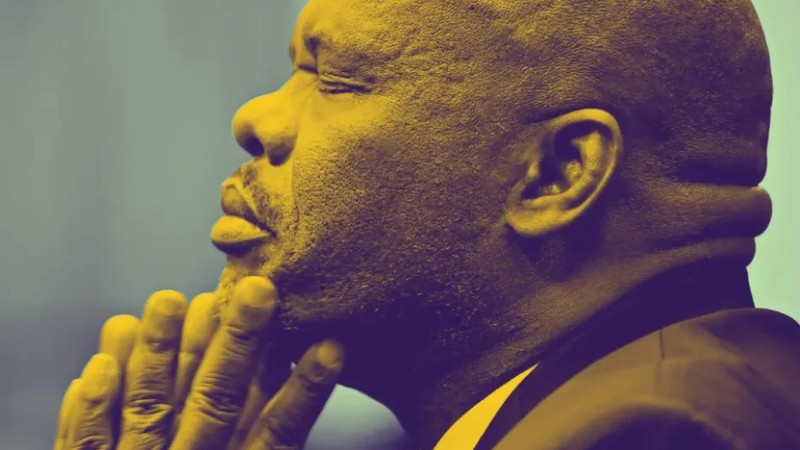
It began with a notice served in a prison cell. On 29 September, Lieutenant-General Shadrack Sibiya — suspended Deputy National Police Commissioner of South Africa — was handed formal notice of disciplinary proceedings while being held at the Randburg Magistrates’ Court, a detail that speaks volumes about just how far one of the country’s most senior law enforcement figures has fallen from grace.
The South African Police Service (SAPS) had scheduled the disciplinary hearing for 5 October, moving quickly enough that officials noted arrangements would be made with correctional services if Sibiya remained in custody by that date. For a moment, it seemed the wheels of institutional accountability were finally turning at speed.
Then, last Friday, Sibiya’s legal team moved to slow them down. His lawyer, advocate Estelle Killian, appeared during his bail proceedings at Randburg and argued that her client was simply not in a position to proceed — that the defence needed more time to prepare. She made clear that if the postponement was not granted, the defence would escalate the matter to the Labour Court for a directive, raising the stakes considerably.
By Monday, confusion briefly clouded the picture, with early reports suggesting the proceedings had not gone ahead at all. SAPS national spokesperson Brigadier Athlenda Mathe moved to correct the record, confirming that the hearing had in fact convened, and that Sibiya’s request for a postponement had been granted within the proceedings themselves — a procedural distinction that matters, because it means the process was never halted, only paused.
Mathe was equally firm in clarifying that the disciplinary hearing and the parallel Labour Court application are two entirely separate tracks running simultaneously. “The disciplinary hearing was heard today, with the Applicant’s request for a postponement granted,” she said, adding that the matter has now been pushed to 12 October 2026, giving Sibiya’s legal team the time they sought to consult and prepare.
The Labour Court application, meanwhile, was also heard on Monday and adjourned — this time to allow SAPS to file its opposing papers, and then for Sibiya’s side to submit a replying affidavit before the court can properly deliberate. Mathe noted that the Labour Court matter remains sub judice, and SAPS would not comment on its merits.
At the heart of all of this sits the Madlanga Commission of Inquiry, the body that has been methodically unpacking allegations of criminal and political interference within the South African police service. It is the Commission that previously recommended disciplinary action against Sibiya, and its hearings have aired deeply troubling allegations — that Sibiya allegedly cultivated improper relationships with underworld figures, including one Vusimusi “Cat” Matlala, and allegedly received gifts from them. These are not peripheral accusations; they strike at the integrity of the institution Sibiya was meant to lead.
Sibiya’s legal troubles do not end with the disciplinary process. He is due back at the Randburg Magistrate’s Court on 7 October to continue his bail application on separate criminal charges — a reminder that the disciplinary and criminal dimensions of this case are advancing on their own distinct timelines, even as they concern the same man at the centre of one of South Africa’s most consequential policing scandals in recent memory.