Physical Address
304 North Cardinal St.
Dorchester Center, MA 02124
Physical Address
304 North Cardinal St.
Dorchester Center, MA 02124

A high-profile terrorism trial is back in the spotlight — and its next chapter could be decisive.
Duduzile Zuma-Sambudla, the daughter of former South African president Jacob Zuma, is facing serious criminal charges linked to the deadly July 2021 unrest that tore through KwaZulu-Natal and Gauteng. Her trial at the Durban High Court has been postponed to October, running into early November, to give the state time to prepare two new witnesses and provide transcripts to the defence.
The core accusation is striking: prosecutors allege that Zuma-Sambudla used her social media presence — specifically her X account — to deliberately stoke the violence that erupted after her father was jailed for contempt of court. Over 300 people lost their lives during that unrest, and the economic damage was staggering. The state argues her posts, shared under the #FreeJacobZuma banner, encouraged looting, destruction of essential infrastructure and widespread chaos.
Zuma-Sambudla faces multiple serious counts. In the main case, she is charged with terrorism and inciting violence. In a separate but related matter, she faces three counts of incitement to commit terrorism and two counts of incitement to commit public violence. She has pleaded not guilty to all charges.
The trial, which began last year, has already heard from significant witnesses. Fraud expert Sarah-Jane Trent told the court she opened a criminal case against Zuma-Sambudla after viewing what she described as extreme posts during the unrest — including videos showing rifles being fired and vehicles burning. Trent presented 32 videos she said were shared by the accused. Social media law expert Emma Sadleir also testified, explaining that Zuma-Sambudla’s posts circulated in WhatsApp groups allegedly used to coordinate the violence on the ground.
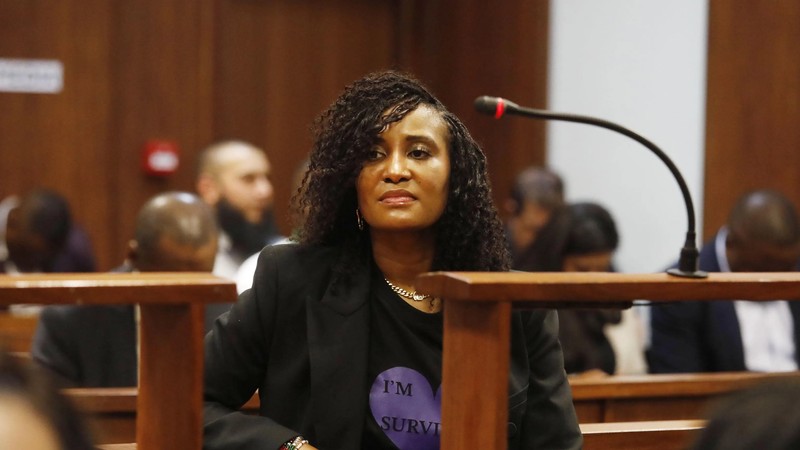
Zuma-Sambudla, who has since been expelled from the MK Party, appeared calm in court when reporters asked whether she planned to take the stand in her own defence. That question — whether she will testify — remains one of the most closely watched elements of the trial as it heads into its October resumption.
For South Africa’s youth, this case cuts to the heart of a bigger debate: where does political speech end and criminal incitement begin? The outcome could set a landmark precedent for how courts treat social media influence in the age of digital mobilisation.



