Physical Address
304 North Cardinal St.
Dorchester Center, MA 02124
Physical Address
304 North Cardinal St.
Dorchester Center, MA 02124

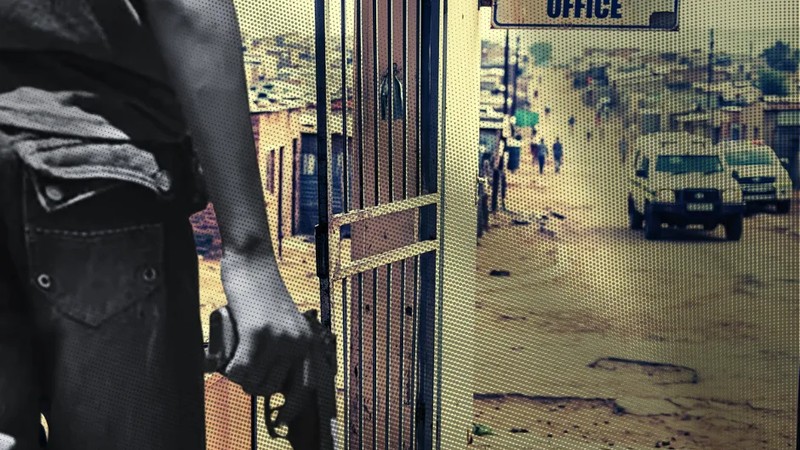
A councillor shot dead at his own office. The killing of eThekwini Ward 17 councillor Sibusiso Khwela has ripped open a conversation South Africa can no longer afford to delay — just how safe are the people elected to serve communities at the grassroots level?
Khwela, an ANC councillor widely known as ‘Khekhe’, was fatally shot on Thursday, 7 August 2026, in Klaarwater, west of Durban. He was at his community office, doing exactly what ward councillors are supposed to do — attending to members of the public — when an unidentified man arrived claiming to need help. Khwela stepped outside to assist. The suspect drew a firearm, shot him multiple times, and fled the scene.
Community members gathered in large numbers outside the crime scene, visibly shaken. The South African Police Service confirmed that the KwaZulu-Natal Political Killings Task Team (PKTT) has taken over the investigation, and a manhunt is currently underway for the suspect.
Khwela had served two full terms as a ward councillor in the eThekwini Metro and had already signalled he would not seek re-election. His death lands just three months before local government elections scheduled for November — a timing that has raised immediate alarm about politically motivated violence in the run-up to the polls.
KwaZulu-Natal MEC for Co-operative Governance and Traditional Affairs Thulasizwe Buthelezi did not mince his words, warning that attacks on councillors directly threaten community leadership and democratic participation. “Such criminal acts seek to destabilise and instil fear among community members as the country prepares for the local government elections,” he said, urging anyone with information to come forward.
The ANC in KwaZulu-Natal described the murder as an attack on democratic institutions themselves, stating that “political differences, criminality or any grievance could never justify the taking of a human life.” The party’s regional task team coordinator, Thanduxolo Sabelo, went further, calling on eThekwini Municipality to urgently review security arrangements at municipal buildings and around councillors specifically.
Political analyst Professor Sipho Seepe cuts straight to the structural problem: ward councillors operate at the coalface of service delivery, embedded directly inside the communities they serve, yet they receive almost none of the security protection extended to senior government figures. Unlike cabinet ministers or provincial officials who move with dedicated security details, most ward councillors work out of open community offices with little to no protection — a gap that makes them dangerously easy targets.
eThekwini Speaker of Council Thabani Nyawose visited Khwela’s family to offer condolences, describing him as a disciplined and selfless public representative. Nyawose acknowledged that the motive for the killing remains unclear, noting that even the family could offer no explanation. “Police will investigate and find out the truth,” he said, “whether his assassination is linked to politics, or to the work that he’s doing in the community, or there are other reasons.”
The eThekwini Municipality has extended condolences to Khwela’s family and the Ward 17 community, and appealed to the public to share any information that could assist investigators. But condolences alone will not protect the next councillor who steps outside to help a stranger. South Africa’s local democracy depends on people willing to serve at street level — and right now, that service can cost them their lives.



