Physical Address
304 North Cardinal St.
Dorchester Center, MA 02124
Physical Address
304 North Cardinal St.
Dorchester Center, MA 02124

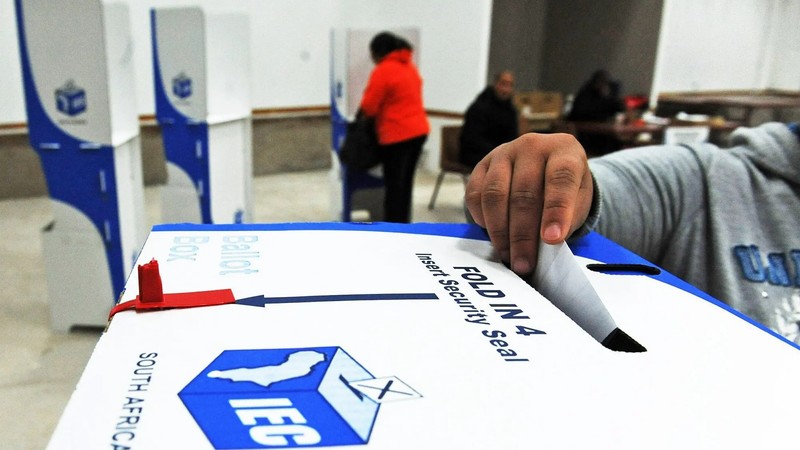
It’s official. South Africa will head to the polls on 4 November 2026, with Cooperative Governance and Traditional Affairs Minister Velenkosini Hlabisa making the announcement in Durban on Friday, 7 August 2026. The proclamation wasn’t just a press conference moment — it carries full legal weight, published in Government Gazette No. 55162 and grounded in Section 159 of the Constitution, which requires local government elections to be held within 90 days of the end of a five-year municipal term. In plain terms: this date is locked in, and the clock is ticking.
So what exactly is being decided on November 4? South Africans will elect municipal councillors and local government leadership structures across the country — the people who run the services that touch everyday life most directly. We’re talking about water, electricity, roads, refuse collection, housing — the basics that determine whether a community thrives or falls apart. These elections matter enormously for ordinary people, and especially for young South Africans living in underserved areas where municipal failure hits hardest.
One of the most urgent things to understand right now is that voter registration is closed. The voters’ roll shut at midnight on Friday, meaning no one can register for the first time or update their registration details ahead of this election. If your name isn’t already on the roll, you will not be able to vote on November 4. The Independent Electoral Commission (IEC) confirmed that more than 29 million people have registered — a significant number, but one that still leaves millions of eligible South Africans on the sidelines, many of them young people who never got around to registering.
For those who are registered, there’s another critical rule to keep in mind: you must vote at the specific voting station where you are currently registered. The IEC will not allow you to simply walk into any station on election day. The Commission is now deep into its logistical preparations — finalising voting stations, training electoral staff, and building out the infrastructure needed to manage a national vote smoothly. Minister Hlabisa expressed strong confidence in the IEC’s readiness, pointing to the credible conduct of the 2021 Local Government Elections and the 2024 National and Provincial Elections as proof that South Africa’s electoral machinery is capable of delivering free and fair polls.
With 90 days now officially on the countdown, political parties will shift their campaigns into full gear. This is the period where manifestos get tested, community meetings get packed, and social media feeds get flooded with promises. For young voters between 18 and 25, this is the moment to pay close attention — to ask hard questions about service delivery records, to compare party platforms, and to hold candidates accountable before a single ballot is cast. Minister Hlabisa specifically called on youth, women, persons with disabilities, and people in rural areas to participate and strengthen democracy through their vote.
The broader message from the government is clear: if you’re frustrated with how your municipality has been run, the ballot box is your most direct tool for change. Local government elections rarely generate the same excitement as national ones, but their outcomes shape the quality of life in communities far more immediately. November 4 is not just a date on a calendar — it’s an opportunity that, once passed, won’t come around again for another five years.



