Physical Address
304 North Cardinal St.
Dorchester Center, MA 02124
Physical Address
304 North Cardinal St.
Dorchester Center, MA 02124

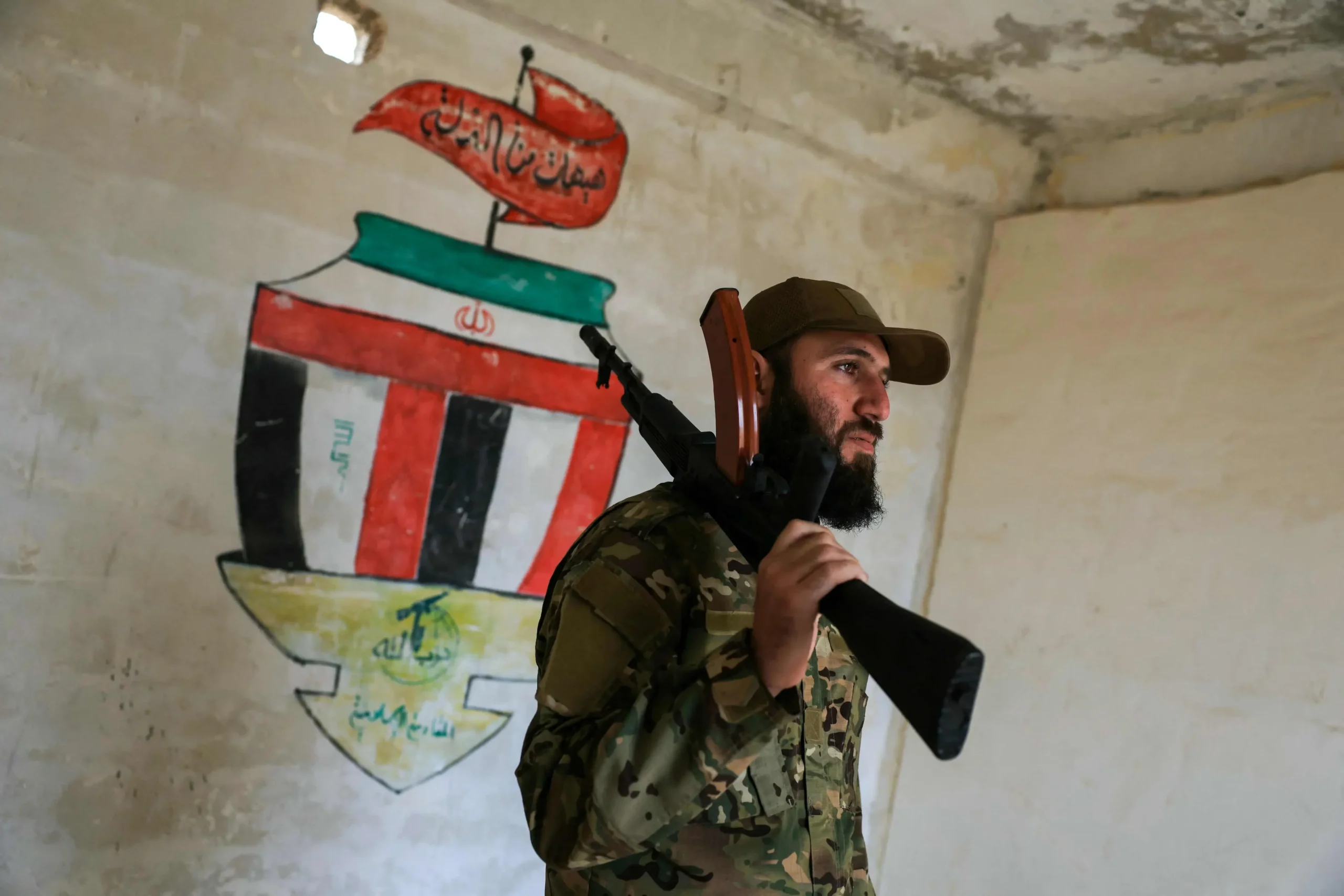
A resurgence of deadly violence has rocked Aleppo, Syria’s once-vibrant northern city, as clashes erupted between Kurdish forces and pro-government troops—threatening fragile negotiations to integrate Kurdish military and civil structures into the new national framework.
On Monday, 22 December 2025, fierce firefights broke out in the Kurdish-held districts of Cheikh Maqsoud and Achrafieh in Aleppo, leading to multiple casualties on both sides. These areas remain controlled by Kurdish units despite formal efforts to transfer authority to Syria’s new transitional government.
The fighting, reminiscent of the October clashes in the same districts, comes at a critical time—just days before the 31 December deadline set for implementing a long-delayed agreement to integrate the Kurdish-led Syrian Democratic Forces (SDF) and their civil institutions into the national fold.
State media agency SANA reported that two civilians were killed and eight wounded by SDF rocket and mortar fire. The SDF, however, stated that a 57-year-old woman was killed and 17 others injured in a heavy weapons assault by government-aligned factions.
Both sides accused the other of breaking the ceasefire and undermining the delicate political roadmap agreed earlier in the year. By nightfall, a mutual call for de-escalation was issued, but tensions remain palpable.
Since the ousting of former president Bashar al-Assad in December 2024 by ex-jihadist leader-turned-interim president Ahmed al-Charaa, Aleppo has largely come under the control of the new central government.
However, Cheikh Maqsoud and Achrafieh—longstanding Kurdish enclaves—have resisted full reintegration. Despite a withdrawal agreement in April 2025, Kurdish units tied to the SDF and their security arm, the Asayish, continue to administer the districts.
These clashes occurred as Turkish foreign minister Hakan Fidan visited Damascus, expressing Ankara’s growing frustration with the SDF. “The FDS [SDF] must no longer act as an obstacle to Syria’s territorial integrity,” Fidan said, urging peaceful and transparent integration.
Fidan’s remarks followed a week of warnings directed at Kurdish factions, and his visit included talks with Syrian foreign minister Assad al-Shaibani and President al-Charaa.
Turkey has a longstanding hostility toward the SDF, viewing it as an offshoot of the PKK insurgency. Between 2016 and 2019, Ankara launched three incursions into northern Syria to push back Kurdish militants and jihadist remnants alike.
“The stability of Syria is the stability of Turkey,” Fidan stressed, highlighting regional stakes that transcend Syria’s internal dynamics.
The integration of Kurdish forces and administrative entities into Syrian national institutions was meant to symbolize a new era of reconciliation and unity post-Assad. But the process has stalled repeatedly—largely due to disagreements over autonomy, chain of command, and Kurdish fears of marginalization.
Syrian foreign minister al-Shaibani confirmed receiving a written response from the SDF on the latest integration proposals, noting that the government was evaluating it “through the lens of national unity.”
As Aleppo bleeds again and pressure mounts from Ankara, time is running out for a peaceful solution.