Physical Address
304 North Cardinal St.
Dorchester Center, MA 02124
Physical Address
304 North Cardinal St.
Dorchester Center, MA 02124

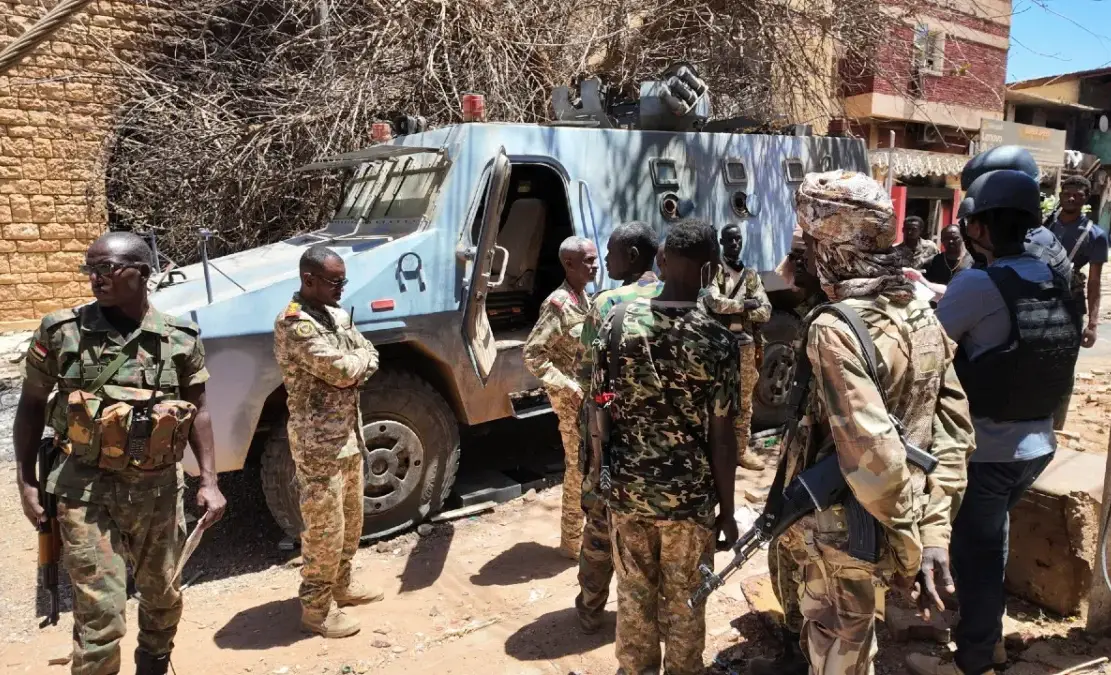
In an explosive Guardian investigation, a shadowy network of UK-registered companies has been linked to the mass recruitment of Colombian mercenaries fighting for Sudan’s Rapid Support Forces—accused of ethnic cleansing, mass rape, and crimes against humanity.
The epicentre of the scandal: a nondescript apartment near Tottenham Hotspur Stadium in north London. This seemingly unremarkable flat once served as the headquarters for Zeuz Global, a company now under intense scrutiny for enabling a brutal paramilitary campaign thousands of kilometres away.
According to UK government filings and a detailed investigation by The Guardian, Zeuz Global and its predecessor ODP8 Ltd were registered and operated by two Colombian nationals now sanctioned by the United States Treasury: Mateo Andrés Duque Botero and Claudia Viviana Oliveros Forero.
The firm, active until at least early December, is accused of recruiting and paying hundreds of Colombian ex-soldiers to join the RSF—a militia force accused by the US and UK of genocide, particularly in the wake of the fall of El Fasher, where analysts estimate 60,000 civilians may have died.
The RSF’s onslaught in El Fasher, and its subsequent use of Colombian fighters to train child soldiers and operate drones, has drawn global condemnation. Satellite imagery, witness testimony, and battlefield videos point to a deliberately orchestrated campaign of ethnic cleansing.
In a move critics describe as both cynical and audacious, Zeuz Global changed its official address just one day after the US Treasury sanctions were announced—listing a luxury Covent Garden postcode that matches the five-star One Aldwych Hotel. The address, however, appears fabricated. Staff at both One Aldwych and the nearby Waldorf Hilton confirmed to reporters they have no connection to the firm.
Experts like Mike Lewis, formerly of the UN’s Panel of Experts on Sudan, say the affair is symptomatic of a larger structural failure in British corporate oversight. “It’s still harder to join a gym in most cases than to set up a UK company,” Lewis remarked.
The ease with which sanctioned actors can incorporate and operate in the UK—often using shell firms and false addresses—has again raised alarms about Britain’s role as a permissive jurisdiction for war profiteers.
The involvement of Colombian mercenaries in Sudan’s civil war was first uncovered by Colombian outlet La Silla Vacía in 2024, but the extent of UK facilitation is only now becoming clear.
According to US authorities, Álvaro Andrés Quijano Becerra, a retired Colombian officer based in the UAE, is the central figure in the recruitment network. His Bogotá-based employment agency, run with his wife Claudia Oliveros, coordinated deployments. Zeuz Global, based in the UK, allegedly managed payments and logistics.
The mercenaries have played key combat and training roles—from drone operations and sniper missions to child soldier instruction. One fighter admitted to training minors and participating in the El Fasher siege. Their involvement has escalated the RSF’s battlefield capabilities dramatically.
The British government, while condemning the RSF’s atrocities and issuing limited sanctions against commanders, now faces questions about its own house: how can sanctioned individuals run active companies from London flats?
Companies House refused to answer whether it had verified the UK residency of the individuals behind Zeuz Global. The firm’s website, launched in May 2025, remains “under construction” with no contact information.
A government spokesperson responded that new identity verification requirements and expanded powers for Companies House were being implemented to tackle such abuses. Yet critics argue these measures are too little, too late.
From Libya to Sudan, UK shell companies have repeatedly emerged as tools of war profiteering, brokering weapons and training to embargoed regimes. The Zeuz Global scandal is not an anomaly—it’s the latest in a long pattern of regulatory negligence enabling foreign bloodshed.
As Sudan spirals deeper into catastrophe, the question must be asked: how many more innocents must die before the UK ends its blind eye toward shell companies and offshore mercenaries?