Physical Address
304 North Cardinal St.
Dorchester Center, MA 02124
Physical Address
304 North Cardinal St.
Dorchester Center, MA 02124

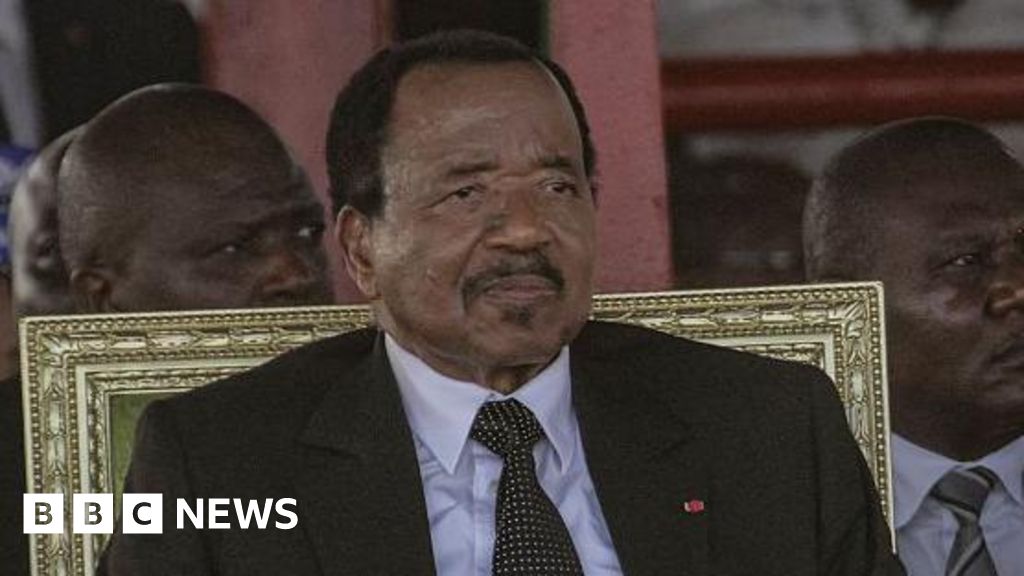
Cameroon’s parliament has approved a constitutional reform that creates a vice-president position for the first time since 1984, in a move critics say could pave the way for a dynastic succession under Paul Biya, the world’s oldest serving leader at 93.
The National Assembly and Senate voted 200 to 18 in favor of Bill No. 2094/PJL/P during an emergency joint session on April 2. President Biya now has 15 days to officially sign the legislation into law.
The constitutional amendment gives Biya the power to appoint and dismiss a vice-president at his discretion. Most significantly, the vice-president would automatically assume the presidency if Biya dies, resigns, or becomes incapacitated.
Biya abolished the vice-presidency in 1984, replacing it with a prime minister position. The restoration comes after he secured an eighth electoral term in a contested election in October 2025.
Opposition groups view the reform as a mechanism to facilitate succession by Franck Biya, the president’s son born in 1971. The move has raised concerns about the establishment of a political dynasty in the Central African nation.
Government officials frame the change as necessary for institutional stability. However, critics point to Biya’s frequent absences in Europe, leaving daily governance to senior party officials and family members.
The timing of this constitutional change is particularly striking given Cameroon’s demographics. More than 70% of the country’s nearly 30 million inhabitants are under 35 years old, meaning the vast majority have never experienced leadership under anyone other than Biya.
Biya has ruled Cameroon for 43 years, making him not only the world’s oldest head of state but also one of its longest-serving leaders. His extended tenure has sparked ongoing debates about democratic transitions and youth representation in African politics.